Grande International Hospital
Our Services
We Provide Various Directions

Grande@Home
Grande @ home is offering specialized home care services. Our skilled medical team aims to deliver the best possible care to patients at their home, thus eliminating their need to travel to the hospital.For further details contact 9801202535. Following services can be availed from our Grande @ Home Team. PhysiotherapyDressingSample collection for investigationPCR Home CollectionAmbulance


Tele Consultation
Tele Consultation at Grande International Hospital allows the patient who reside outside the valley to stay in touch with their doctors. This service also helps patient who are unable to travel to the hospital. For Tele Consultation please call at +977 9801202550

Heli Rescue
Grande International Hospital is the first hospital in Nepal to rescue patients by helicopter with specialist doctors. The hospital has the capacity to operate two helipads (one rooftop another ground helipad)at the same time. We have a dedicated team for Emergency Rescue, Critical Illness Rescue, Mountain Rescue from anywhere in the country.Heli Rescue Hotline +977 9801202552, 9801202537

Wards and Rooms
Grande International Hospital wards and rooms are designed in such a way that it meets its all basic requirement for every patient admitted in the hospital.

Ambulance
Ambulance Hotline: +977 9801202545, 01 5159077 A high-quality Emergency Medical Services (EMS) promptly dispatches properly equipped ambulances staffed by rigorously trained and regularly re-certified paramedics following up-to-date evidence-based protocols, alongside pre-hospital critical care doctor in serious cases, to patient in dire need of medical attention. The goal of EMS is therefore not only to safely transport patient to definitive care at the nearest hospital as quickly as possible, but also to assess patients and commence essential and potentially life-saving treatment at the scene and during transfer.

Pharmacy
Pharmacy is the science and technique of preparing and dispensing drugs. It plays a vital role to ensure the safe and effective use of drugs. At GIH, the department has a team of 21 Pharmacists determined to go an extra mile to make the use of drugs for patients safer. “Good Pharmacy Practice” guidelines and legal requirements are strictly followed at zero tolerance in all pharmacy operations. Our Pharmacy infra-structure is well-designed to maintain the quality of sensitive items such as vaccines and life-saving drugs.With world class infra structure, the humidity, temperature and all other parameters are kept in standard at the pharmacy and the store so that the quality of sensitive drugs like vaccines, life-saving drugs and chemotherapeutic drugs are very well maintained. With the computerized record keeping and use of patient database, the appropriate drugs reach the admitted patients with almost zero chances of medicinal errors.The pharmacy at GIH is also the cornerstone of our Antibiotic Stewardship Program (ASP) which for the first time in the country has been implemented at our hospital. ASP is a check mechanism which ensures that the antibiotics are used appropriately in the patients so that the drug resistance and hospital infections can be better controlled.

Nursing
IntroductionNursing department is the major and essential part of the GIH. This mobilizes all nurses and nursing service in the hospital.Nurses are the front-line force and they play a key role to achieve hospital motive and objectives with a culture of high-reliability, quality and safety service to patients and families in satisfying environment.Scope of CareThe Nursing Department provides care for a wide variety of in-patients (IPD), Operation theater (OT), Emergency (ER), Outpatients (OPD) and wellness as well as clients in the community through various camps & clinics.Nursing care is provided for patients on a 24-hour basis 7 days a week. Mission and philosophyThe Department of Nursing is committed to the hospital motive “Care to Cure” as well as values to a “Patient First” philosophy for delivering quality healthcare in the safest environment.ObjectivesThe objective of nursing department is to provide safe and quality nursing service maintaining the standard nursing practice and nurse patient ratio as per international standard. Value StatementsPatient Satisfaction: We consistently strive to exceed expectations from our patients, physicians, and colleagues.Respect & Privacy: We respect the patient as an individual irrespective of age, sex, race and religion with the right to privacy and confidentiality. We respect, appreciate, and acknowledge each individual’s contribution to the work environment.Accountability: We are accountable for our actions and accept responsibility as individuals, as members of a team, and as professional nurses.Diversity: We recognize the diversity of our patients and our staff and are committed to deliver compassionate, culturally sensitive and holistic care.Research and Education: We promote and enhance the research and educational activities for nursing quality improvement.
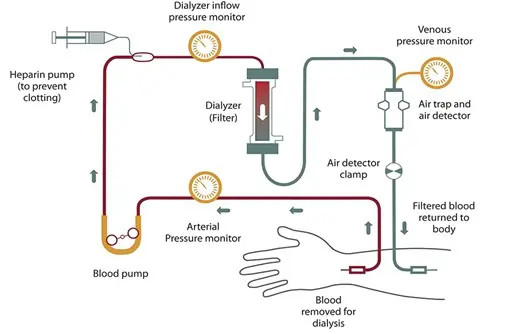
Deprived Citizen Hemodialysis Service
Grande International Hospital Hemodialysis Service Hemodialysis• Treatment is done to filter wastes and water from blood, as kidneys do when they were healthy.• Helps control blood pressure and balance important minerals, such as potassium, sodium, and calcium, in your blood.• Helps a patient to feel better and live longer, but it’s not a cure for kidney failure. What happens during Hemodialysis?• During hemodialysis, your blood goes through a filter, called a dialyzer, outside your body. A dialyzer is also called an “artificial kidney.”• At the start of a hemodialysis treatment, a dialysis nurse or technician places two needles into your arm. You may prefer to put in your own needles after you’re trained by your health care team.• A numbing cream or spray can be used if piercing the needles bothers you. Each needle is attached to a soft tube connected to the dialysis machine, which pumps the blood through the dialyzer to remove the wastes and excessive fluid from the patient’s body.•Usually, patients need to undergo hemodialysis twice or thrice a week to sustain life and hemodialysis session lasts approximately four hours.

Emergency Services
GIH has a state-of-the-art 15 bedded Emergency with a resuscitation room and a stand-by trauma team. This is run 24×7 by a team of consultants, Medical officers, trained nurses and paramedics. The Emergency Medical Services (EMS) promptly dispatches well equipped ambulances staffed by well trained paramedics. The staff are certified on regular basis following up-to-date evidence-based protocols. A specialist doctor is also involved in pre-hospital care in transferring critically ill patients. The goal of EMS is not only to safely transfer patients to the definite care at the nearest hospital as quickly as possible, but also to assess patients and commence essential and potentially life-saving treatment at the scene and during transfer.

The Wellness Center
Health PackageA Health Checkup Package is a comprehensive set of medical tests and clinical evaluations designed to assess your overall health. These packages help detect potential health issues at an early stage, even before noticeable symptoms develop.Our health packages include:BasicStandardComprehensiveSeniorExecutiveCardiacOverweightWomen’s MenChildKidney DiabetesDepending on your age, medical history, and lifestyle, additional diagnostic tests may also be recommended.Benefits of Regular Preventive Health ScreeningPreventive healthcare focuses on identifying health concerns before symptoms develop. Early diagnosis often leads to simpler treatment options and better long-term outcomes.Key benefits include:Early Disease DetectionRoutine screening can identify conditions such as diabetes, high cholesterol, anemia, kidney disease, and liver disorders before noticeable symptoms appear.Better Health MonitoringRegular health assessments provide a baseline for comparing future results and tracking changes in your health over time.Personalized Medical AdviceA physician reviews your test results, explains their significance, and recommends appropriate lifestyle changes or additional evaluation if necessary.Reduced Healthcare CostsDetecting diseases early may reduce the need for extensive treatment and hospitalization later.Improved Quality of LifeKnowing your health status empowers you to make informed decisions regarding nutrition, exercise, stress management, and preventive care.Workflow for health screening in GIHBook your preferred appointment date and timeSelect the appropriate health package yourself or consult with our doctors to get helpchoosing the package appropriate for you.Receive your reports promptly.Consult with our physician for a complete health review and personalized recommendations.How to Prepare Before Your Health CheckupFollowing a few simple preparation steps can help ensure accurate test results.Before your appointment:Confirm whether fasting is required.Drink adequate water unless instructed otherwise.Bring previous medical reports if available.Carry a list of current medications.Inform your physician if you are pregnant before undergoing imaging procedures.Arrive a few minutes early to complete registration.Change to comfortable clothing available at our wellnessFollowing your healthcare provider's instructions will help ensure a smooth and efficient visit.Why Choose Our Hospital for Your Wellness Checkup?Selecting the right healthcare provider is just as important as choosing the right health package.Our hospital offers:Experienced Medical ProfessionalsOur physicians and specialists provide evidence-based care with a patient-centered approach.Advanced Diagnostic TechnologyModern laboratory equipment and imaging technology support accurate and reliable test results.Comprehensive Preventive CareOur wellness programs are designed to promote early disease detection and long-term health monitoring.Convenient One-Stop ServiceComplete your laboratory tests, diagnostic imaging, cardiovascular assessment, and physician consultation in one visit at one floorPatient-Focused CareWe prioritize patient comfort, clear communication, and personalized healthcare recommendations.Frequently Asked QuestionsWhat is included in the Wellness Package?The package includes varieties of test. Choose the best Health Package accordingly https://www.grandehospital.com/en/health-packagesHow often should I undergo preventive health screening?Most healthy adults should consider annual health screening. Individuals with chronic conditions or additional risk factors may require more frequent evaluations based on their physician's advice.Do I need to fast before the tests?Some investigations may require fasting. Please confirm preparation instructions when booking your appointment.How long does the health checkup take?Most wellness packages can be completed within a few hours, depending on patient flow and scheduling.Will I receive my results on the same day?Many test results are available on the same day, while some investigations may require additional processing time.Can healthy individuals benefit from this package?Yes. Preventive health screening is designed for healthy individuals as well as those with existing medical conditions.Is the package suitable for corporate employees?Absolutely. Working professionals often benefit from regular health assessments due to sedentary lifestyles and workplace stress. We also customize the package according to the need of corporatesHow Often Should You Get a Comprehensive Wellness Checkup?Healthcare professionals generally recommend:Age GroupRecommended Frequency20–30 YearsEvery 2–3 Years30–40 YearsEvery 1–2 YearsAbove 40 Years Every YearSeniors (60+)Every Year or As RecommendedIndividuals with chronic conditions may require more frequent monitoring.What happens if an abnormal result is found?Your physician will explain the findings and recommend additional investigations, specialist referrals, or treatment if necessary.Investing in a Health Checkup Package is one of the most effective ways to safeguard your health. Regular preventive screenings help identify potential medical conditions early, support timely treatment, and encourage healthier lifestyle choices. With expert medical professionals, advanced diagnostic facilities, and personalized care, our hospital is dedicated to helping you achieve long-term wellness. Make preventive healthcare a priority and take an active role in protecting your future health.Book your Health Checkup Package today and take the first step toward better health. Contact our healthcare team or schedule your appointment online for a comprehensive preventive health screening. Basic Wellness Package | Preventive Health CheckupBasic Wellness Package is a preventive healthcare program designed to evaluate your overall health using essential laboratory tests, diagnostic imaging, cardiovascular assessment, and a doctor's consultation. Instead of waiting until symptoms develop, this package helps identify health risks early, allowing timely medical advice and appropriate management.The package combines commonly recommended screening tests that assess multiple organ systems. It is suitable for adults who wish to monitor their health regularly and reduce the risk of undiagnosed medical conditions.Routine wellness screenings also provide an opportunity to discuss your health concerns with a physician, receive personalized recommendations, and learn about lifestyle modifications that support long-term wellness [https://medlineplus.gov]Who Should Get This Health Checkup?A Basic Wellness Package is recommended for individuals who want to take a proactive approach to their health.This package is especially beneficial for:Adults aged 25 years and aboveWorking professionals with busy lifestylesIndividuals experiencing high levels of workplace stressPeople with sedentary occupationsFirst-time health screening patientsIndividuals with a family history of diabetes, hypertension, heart disease, or kidney diseasePeople seeking an annual health screeningIndividuals interested in preventive healthcareEven healthy individuals can benefit from routine wellness screening because many diseases remain silent during their early stages.[Centers for Disease Control and Prevention (CDC) – Preventive health recommendations: https://www.cdc.gov]Tests Included in the PackageThe Basic Wellness Package includes essential investigations that provide a broad overview of your health.Complete Blood Count (CBC)Random Blood Glucose (RBG)Total CholesterolSGOT (AST)SGPT (ALT)CreatinineUrine Routine ExaminationChest X-rayElectrocardiogram (ECG)Doctor's ConsultationWhat These Tests Help AssessBlood sugar levelsCholesterol levelsLiver functionKidney functionUrinary healthLung healthHeart rhythmOverall medical assessmentConclusionMaintaining good health begins with prevention. A Basic Wellness Package provides an effective way to monitor your overall health, detect potential medical conditions early, and receive expert medical guidance before problems become serious. Through essential laboratory investigations, diagnostic imaging, cardiovascular screening, and a comprehensive doctor's consultation, this package supports informed healthcare decisions and long-term wellness.Whether you are scheduling your first preventive health screening or continuing your annual health routine, investing in a Basic Wellness Package is a proactive step toward a healthier future. Book your appointment today and take control of your health with confidence. https://www.grandehospital.com/en/health-packages/basic-wellness-checkupStandard Wellness PackageDiscover the benefits of a complete standard health checkup package, including CBC, SGOT, SGPT, Creatinine, Urine Routine, Chest X-Ray, ECG, Doctor's Consultation, TSH, Uric Acid, USG Abdomen & Pelvis, ESR, FBG, Lipid Profile Schedule your preventive health screening todayRegular health checkups are one of the most effective ways to detect diseases before symptoms appear. Preventive healthcare empowers individuals to understand their health status, reduce the risk of chronic illnesses, and receive timely treatment when necessary. A Standard Wellness Package is designed to evaluate the functioning of major organs and identify potential health concerns at an early stage. Whether you are a working professional, senior citizen, or someone who values preventive healthcare, a comprehensive health screening provides valuable insights into your overall well-being. This package includes laboratory tests, imaging, cardiac evaluation, and a doctor's consultation to ensure a complete assessment of your health. https://www.grandehospital.com/en/health-packagesWhy is a Standard Health Checkup Important?Many serious health conditions such as diabetes, hypertension, kidney disease, liver disorders, and heart disease develop silently without noticeable symptoms. Routine health screening helps detect these conditions before they become severe.Benefits of regular health checkups include:Early detection of diseasesBetter treatment outcomesPrevention of lifestyle-related illnessesMonitoring existing medical conditionsImproved quality of lifeReduced long-term healthcare costsPersonalized medical advice from healthcare professionalsHealthcare experts recommend that adults undergo a comprehensive health checkup at least once every year, especially after the age of 30.What's Included in Our Wellness Package?Our standard health screening package includes the following essential diagnostic tests.1. Complete Blood Count (CBC)A Complete Blood Count (CBC) evaluates your overall health by measuring different components of your blood, including Red blood cells, White blood cells, Hemoglobin, Platelets, HematocritThis test helps diagnose anemia, infections, inflammation, immune disorders, and certain blood diseases. 2. SGOT (AST) TestSerum Glutamic Oxaloacetic Transaminase (SGOT), also known as AST, measures liver enzyme levels. It helps detect: Liver inflammation, Hepatitis, Fatty liver disease, Muscle injury, Liver damage caused by medications3. SGPT (ALT) TestSGPT, also known as ALT, is another important liver enzyme test. Elevated SGPT levels may indicate: Liver inflammation, Alcohol-related liver disease, Fatty liver, Viral hepatitis, Liver cell damageTogether, SGOT and SGPT provide a comprehensive assessment of liver health.4. Creatinine TestCreatinine is a waste product filtered by the kidneys. This test evaluates kidney function and helps detect Kidney disease, Reduced kidney function, Dehydration, Chronic kidney disorders5. Urine Routine ExaminationA urine routine test provides important information about kidney and urinary tract health.It helps identify Urinary tract infections (UTIs), Kidney disorders, Diabetes, Protein loss, Blood in urine, Dehydration6. Chest X-RayA Chest X-ray allows doctors to examine the bones, lungs and heart. It can detect Pneumonia, Tuberculosis (TB), Lung infections, Chronic lung disease, Enlarged heart, Fluid accumulation7. Electrocardiogram (ECG)An ECG records the electrical activity of the heart. It helps diagnose Heart rhythm disorders, Previous heart attacks, Heart enlargement, Reduced blood supply to the heart, Cardiac abnormalities8. Doctor's ConsultationA qualified physician reviews all investigation reports and provides Personalized health assessmentMedical adviceLifestyle recommendationsRisk factor evaluationFollow-up guidance if additional tests are neededThis consultation helps patients understand their health reports and make informed healthcare decisions.9. Thyroid Stimulating Hormone (TSH)TSH measures thyroid gland function. It helps diagnose Hypothyroidism, Hyperthyroidism, Hormonal imbalance, Fatigue-related disorders, Weight changesProper thyroid function is essential for metabolism, energy production, and overall health.10. Uric Acid TestThe uric acid test evaluates uric acid levels in the blood.High levels may indicate Gout, Kidney stones, Kidney disease, Metabolic disordersEarly diagnosis helps prevent painful joint inflammation and complications.11. Ultrasound (USG Abdomen & Pelvis)Ultrasound imaging provides a non-invasive assessment of abdominal and pelvic organs.It evaluates Liver, Gallbladder, Kidneys, Pancreas, Spleen, Urinary bladder, Prostate (men)Uterus and ovaries (women)USG helps detect stones, cysts, tumors, fatty liver, enlarged organs, and other abnormalities.12. Erythrocyte Sedimentation Rate (ESR)ESR is a marker of inflammation in the body.It helps detect, Autoimmune diseases, Chronic infections, Inflammatory disorders, Rheumatoid arthritis, Certain chronic illnessesAlthough ESR is a nonspecific test, it provides valuable information when interpreted alongside other investigations.13. Fasting Blood Glucose (FBG)FBG measures blood sugar levels after fasting for 8–12 hours. It helps diagnose Diabetes, Prediabetes, Blood sugar controlEarly detection allows patients to adopt healthier lifestyle habits before complications develop.14. Lipid ProfileA Lipid Profile measures different types of cholesterol and triglycerides. It includes Total cholesterol, HDL (Good cholesterol), LDL (Bad cholesterol), TriglyceridesThis test helps assess cardiovascular risk and supports the prevention of heart disease and stroke. Who Should Get a Standard Health Checkup?A comprehensive health checkup is recommended for:Adults above 30 yearsWorking professionalsIndividuals with sedentary lifestylesSmokersPeople with diabetes or hypertensionIndividuals with a family history of heart diseaseSenior citizensAnyone seeking preventive healthcareEven healthy individuals benefit from annual screening to detect silent diseases early. https://www.who.intHow to Prepare for Your Health CheckupTo ensure accurate test results:Fast for 8–12 hours before your appointment (required for FBG and Lipid Profile).Drink plain water unless instructed otherwise.Follow any preparation instructions provided for the abdominal and pelvic ultrasound, usually 4 hour of fasting and full bladder is necessary for the ultrasoundInform your doctor about any medications or supplements you are taking.Change into comfortable clothing at wellness changing room for ECG and Chest X-ray.Following these steps helps ensure reliable and accurate results.ConclusionYour health is your greatest investment, and preventive care is the key to maintaining a healthy and active life. A Standard Wellness Package provides a complete evaluation of your blood health, liver function, kidney function, heart health, lung health, thyroid function, blood sugar, cholesterol levels, and abdominal organs—all in one comprehensive package.By identifying potential health concerns early, you gain the opportunity to make informed lifestyle choices and receive timely medical care before conditions become more serious. https://www.grandehospital.com/en/health-packages/standard-wellness-checkupWhy is a Comprehensive Wellness Checkup Important?Preventive healthcare has become increasingly important due to the growing prevalence of lifestyle-related diseases.Many chronic diseases such as diabetes, hypertension, heart disease, and certain cancers develop silently without noticeable symptoms. Early diagnosis allows for timely treatment and significantly improves health outcomes.Every individual has unique health risks based on genetics, age, lifestyle, and family history. A wellness checkup provides customized recommendations tailored to your health profile. Who Should Get a Comprehensive Wellness Checkup?A comprehensive health screening is beneficial for almost everyone.Adults Between 20–40 YearsYoung adults should undergo wellness screenings every one to two years to establish baseline health indicators and identify hereditary risks.Adults Over 40 YearsAs age increases, the risk of chronic illnesses also rises. Annual health checkups become increasingly important for early disease detection.Senior CitizensOlder adults require more frequent monitoring for heart disease, osteoporosis, arthritis, diabetes, and cognitive health.Individuals with Family Medical HistoryIf close relatives have conditions such as:DiabetesHeart diseaseHigh blood pressureCancerThyroid disordersRegular wellness screenings become even more critical.What Does a Comprehensive Wellness Checkup Include?Although packages vary between healthcare providers, most include the following evaluations.Physical ExaminationHeightWeightBody Mass Index (BMI)Blood pressureHeart rateRespiratory functionBlood TestsBlood investigations commonly include:Complete Blood Count (CBC), SGOT, SGPT, Creatinine, Uric Acid, ESR, FBG, Lipid Profile, HBA1C, Sodium, Potassium, TFT, CA++, Cardiac AssessmentHeart health evaluations may include:ECG (Electrocardiogram)EchocardiogramBlood pressure monitoringImaging TestsDepending on age and risk factors:Chest X-rayUSG Abdomen and PelvisUrine RoutineDoctor’s ConsultationBenefits of Regular Wellness CheckupsDetect Hidden DiseasesConditions like hypertension and diabetes often remain unnoticed until complications occur.Better Disease ManagementEarly diagnosis allows doctors to create effective treatment plans before complications develop.Increased Life ExpectancyResearch consistently shows that preventive healthcare improves both longevity and quality of life.Peace of MindKnowing your health status reduces uncertainty and encourages proactive health management.Improved ProductivityHealthy individuals experience:Reduce frequent illnessBetter concentrationHigher energy levelsImproved workplace performanceHow to Prepare for Your Wellness CheckupProper preparation helps ensure accurate results.Before the AppointmentFast for 8–12 hours if instructed.Drink plenty of water.Avoid alcohol for 24 hours.Get adequate sleep.Bring previous medical reports.During the CheckupBe honest about:Smoking habitsAlcohol consumptionExercise frequencyDietMental health concernsFamily medical historyChoosing the Right Wellness Checkup PackageNot every health package offers the same level of screening.When selecting a provider, consider:AccreditationQualified physiciansComprehensive laboratory testingAdvanced diagnostic equipmentPersonalized consultationTransparent pricingDetailed health reportFollow-up supportAlways choose a package that matches your age, gender, medical history, and lifestyle.ConclusionA Comprehensive Wellness Checkup is far more than a routine medical examination—it is a proactive investment in your long-term health. By identifying potential health risks before symptoms arise, these checkups enable early intervention, reduce healthcare costs, and support a healthier, more active lifestyle.Whether you're managing existing health conditions or simply aiming to maintain optimal wellness, regular preventive screenings provide valuable insights into your physical well-being. Combined with healthy lifestyle choices, annual wellness assessments can significantly improve longevity, productivity, and overall quality of life.Rather than waiting until illness develops, make preventive healthcare a priority. Schedule your Comprehensive Wellness Checkup today and take a confident step toward a healthier future https://www.grandehospital.com/en/health-packages/comprehensive-wellness-checkupAdvanced Wellness Checkup Preventive healthcare helps identify potential health risks before they become serious medical conditions. Early diagnosis allows for timely intervention, reducing long-term treatment costs while improving quality of life.Regular wellness screening can help detect:Heart diseasesDiabetes and pre-diabetesHigh cholesterolThyroid disordersLiver diseasesKidney dysfunctionOsteoporosisGastrointestinal disordersHidden infectionsCertain cancersMetabolic disordersAdvance health checkup also helps your doctor evaluate your lifestyle, identify risk factors, and recommend personalized preventive measures. What's Included in the Advanced Wellness Checkup?Our comprehensive package includes multiple diagnostic tests covering every major body system.Complete Blood Count (CBC)CBC evaluates your overall blood health by measuring red blood cells, white blood cells, hemoglobin, and platelets. It helps diagnose anemia, infections, inflammation, and several blood-related disorders.Urine Routine ExaminationA urine routine test assesses kidney health, urinary tract infections, diabetes indicators, and other metabolic abnormalities.Chest X-RayChest X-ray provides a clear image of your lungs and chest cavity, helping detect infections, chronic lung diseases, and other respiratory abnormalities.Electrocardiogram (ECG)ECG records the electrical activity of your heart and helps detect irregular heart rhythms, previous heart attacks, and other cardiac conditions.Doctor's ConsultationAfter reviewing your reports, an experienced physician provides a detailed health assessment, explains the findings, and recommends lifestyle modifications or further treatment if required.Blood Tests for Comprehensive Health AssessmentUric AcidHigh uric acid levels can increase the risk of gout, kidney stones, and metabolic disorders.Erythrocyte Sedimentation Rate (ESR)ESR is an important marker that helps identify inflammation, infections, and autoimmune conditions.Fasting Blood Glucose (FBG)FBG measures your fasting blood sugar level and is essential for diagnosing diabetes and pre-diabetes.HbA1cHbA1c reflects your average blood sugar levels over the past two to three months, making it one of the most reliable tests for diabetes management. https://idf.orgLipid ProfileThis test measures:Total cholesterolHDL (Good cholesterol)LDL (Bad cholesterol)TriglyceridesMaintaining healthy cholesterol levels significantly reduces the risk of cardiovascular disease.Thyroid Function Test (TFT)The thyroid gland regulates metabolism. TFT helps detect hypothyroidism, hyperthyroidism, and other thyroid disorders.Calcium (Ca++)Calcium testing evaluates bone health, muscle function, nerve function, and certain endocrine disorders.Liver and Kidney Health ScreeningLiver Function Test (LFT)LFT evaluates liver enzymes and proteins to detect liver infections, fatty liver disease, hepatitis, and liver damage.Renal Function Test (RFT)Healthy kidneys are vital for filtering waste from the body. RFT measures kidney performance and helps identify early kidney disease.Gastrointestinal Health AssessmentStool Routine ExaminationThis test identifies digestive disorders, intestinal infections, parasites, and inflammatory bowel conditions.Stool Occult Blood TestOccult blood testing detects hidden blood in the stool that may indicate colorectal polyps, ulcers, or gastrointestinal bleeding. Early detection plays a crucial role in colorectal cancer screening.Advanced Imaging and Cardiac EvaluationUltrasound (USG Abdomen & Pelvis)Ultrasound provides detailed imaging of internal organs including:LiverGallbladderPancreasKidneysSpleenUrinary bladderReproductive organsIt helps identify stones, cysts, tumors, fatty liver, and various abdominal abnormalities.Echocardiography (ECHO)ECHO uses ultrasound technology to evaluate heart structure and function. It helps diagnose:Valve disordersHeart muscle diseasesCongenital heart diseaseHeart failureTreadmill Test (TMT)The Treadmill Test evaluates how your heart performs during physical activity. It helps detect coronary artery disease, exercise-induced heart problems, and cardiac fitness.Additional Specialized TestsDepending on your doctor's recommendation, the Advanced Wellness Checkup may also include:Holter ECGHolter ECG continuously records your heart rhythm for 24–48 hours, helping diagnose intermittent arrhythmias and unexplained palpitations.Ambulatory Blood Pressure Monitoring (ABPM)ABPM measures blood pressure continuously over 24 hours, providing a more accurate assessment than a single clinic reading. It is useful for diagnosing white-coat hypertension, masked hypertension, and evaluating treatment effectiveness.Bone Mineral Density (BMD)BMD testing measures bone strength and helps diagnose osteoporosis or osteopenia, enabling early intervention to reduce fracture risk.Who Should Get an Advanced Wellness Checkup?This package is recommended for:Adults above 30 yearsIndividuals with a family history of diabetes, hypertension, or heart diseaseWorking professionals with sedentary lifestylesSmokersPeople experiencing stress or obesityIndividuals with thyroid disordersPatients with high cholesterolAnyone interested in preventive healthcareAnnual health screening is strongly recommended to monitor changes in your health over time.Benefits of Regular Health ScreeningRegular wellness checkups provide numerous long-term benefits:Early detection of chronic diseasesReduced healthcare costs through preventive careBetter management of lifestyle diseasesImproved heart healthBetter diabetes preventionEnhanced quality of lifePersonalized medical advicePeace of mind through comprehensive health evaluationWhy Choose Grande International Hospital?Grande International Hospital is committed to delivering world-class preventive healthcare with modern diagnostic technology and experienced medical professionals.Our wellness services offer:Comprehensive diagnostic testingAdvanced imaging facilitiesExperienced physicians and specialistsAccurate laboratory reportsPersonalized consultationPatient-centered careConvenient health packagesInternational healthcare standardsOur goal is to help individuals detect diseases early and maintain lifelong wellness through evidence-based preventive healthcare.Book Your Advanced Wellness Checkup TodayBook the Advanced Wellness Checkup at Grande International Hospital. Comprehensive preventive health screening including CBC, ECG, ECHO, TMT, USG, HbA1c, Lipid Profile, LFT, RFT, thyroid tests, Holter ECG, ABPM, BMD, and expert doctor consultation for early disease detection.Whether you are scheduling your annual health examination or looking for a comprehensive preventive screening, Grande International Hospital's Advanced Wellness Checkup Package provides the confidence of knowing where your health stands.Take the first step toward a healthier future by booking your wellness checkup today. https://www.grandehospital.com/en/health-packages/advance-wellness-checkupConclusionAn Advanced Wellness Checkup is more than just a collection of medical tests—it is a proactive investment in your long-term health and well-being. By combining comprehensive blood investigations, cardiac evaluations, imaging studies, and expert physician consultation, this package helps identify potential health risks before they become serious conditions. Early detection enables timely treatment, better disease management, and improved quality of life.At Grande International Hospital, we are dedicated to providing reliable diagnostics, expert medical guidance, and compassionate care to support your journey toward better health. Schedule your Advanced Wellness Checkup today and take control of your health with confidence.Woman Wellness Checkup Package Here's a truth most women don't want to hear: you are probably the last person on your own priority list.Between careers, households, children, aging parents, and everything in between, women routinely put their own health checkups off — sometimes for years. Meanwhile, conditions like thyroid disorders, cervical cancer, breast disease, diabetes, heart disease, and kidney or liver problems often develop silently, without a single obvious symptom, until they've progressed far enough to be harder and costlier to treat.This is exactly the gap the Woman Wellness Checkup Package at Grande International Hospital is built to close. It's a single, comprehensive package that brings together laboratory diagnostics, cardiac screening, thyroid evaluation, gynecological assessment, and imaging — plus expert consultations — so you get a complete picture of your health in one visit, instead of piecing it together over months of separate appointments.If you've been telling yourself "I'll book a checkup next month" for the last year, stop waiting. World Health Organization – Women's HealthThe Real Cost of Skipping Regular Health ScreeningWomen's bodies go through more hormonal and physiological transitions across a lifetime than almost any other health profile puberty, pregnancy, postpartum recovery, perimenopause, menopause and each stage bring its own risks.Routine wellness checkups exist to catch problems before they become emergencies. Regular screening can help detect:Thyroid disordersDiabetes and pre-diabetesHigh cholesterolLiver and kidney diseaseCervical abnormalitiesBreast conditionsHeart diseaseUrinary tract infectionsChronic inflammationMetabolic disordersCatching any of these early doesn't just improve your treatment outcomes — it also protects you from the far higher financial and emotional cost of late-stage diagnosis. Prevention is, quite simply, the most cost-effective healthcare decision you can make.What's Inside the Woman Wellness Checkup Package?This isn't a stripped-down basic panel. It's a full-spectrum assessment covering blood work, organ function, cardiac health, hormone balance, reproductive health, and imaging.Core Blood & Organ Function TestsComplete Blood Count (CBC) - The foundation of any health checkup. CBC measures red blood cells, white blood cells, hemoglobin, and platelets, flagging anemia, infections, and nutritional deficiencies that disproportionately affect women.Liver Function Assessment (SGOT & SGPT) - These liver enzymes reveal early signs of inflammation, fatty liver disease, hepatitis, or medication-related liver stress — all of which can develop without any noticeable symptoms.Creatinine Test - A key marker of kidney function, helping catch early-stage kidney disease long before it becomes symptomatic.Urine Routine Examination - Because women are significantly more prone to urinary tract infections (UTIs), this test is a critical, low-cost way to catch UTIs, kidney issues, and diabetes-related changes early.Heart & Metabolic Health ScreeningElectrocardiogram (ECG) - Heart disease remains one of the leading causes of death among women globally, and it's often underdiagnosed because symptoms present differently than in men. ECG detects abnormal rhythms and prior heart damage.Fasting Blood Glucose (FBG) -The primary screening test for diabetes and pre-diabetes, catching blood sugar issues before they damage the heart, kidneys, eyes, or nerves.Lipid Profile - A full cholesterol breakdown covering:Total cholesterolHDL ("good" cholesterol)LDL ("bad" cholesterol)TriglyceridesUric Acid — Elevated levels can point toward gout, kidney stones, or broader metabolic imbalance.Thyroid HealthThyroid Stimulating Hormone (TSH) — Thyroid disorders are far more common in women than men, and they quietly influence weight, energy, fertility, menstrual regularity, skin, and mood. TSH testing is one of the highest-value tests in this entire package for women specifically.Reproductive & Breast Health ScreeningPap Smear — Arguably the single most important test in this package. Pap smears detect abnormal cervical cells early, which is why cervical cancer is now one of the most preventable cancers when screening is done consistently. IARC – Cervical CancerBreast Ultrasound (USG Breasts) — Detects cysts, lumps, or abnormalities that a physical exam alone might miss, making it a vital companion to routine self-checks.Ultrasound of Abdomen & Pelvis — A broad imaging assessment covering the liver, gallbladder, kidneys, pancreas, uterus, ovaries, and bladder — able to identify fibroids, ovarian cysts, kidney stones, and fatty liver.Inflammation MarkerESR (Erythrocyte Sedimentation Rate) — Flags underlying infections, autoimmune conditions, or chronic inflammation that may need further investigation.Expert ConsultationsDoctor's Consultation — A physician reviews every result with you, answers questions, and provides guidance on nutrition, exercise, and next steps.Gynecologist Consultation — A dedicated, one-on-one conversation covering reproductive health, menstrual concerns, menopause management, family planning, and breast wellness — tailored to your life stage.Who Is This Package For?The Woman Wellness Checkup Package is built for a wide range of women, including:Women aged 25 and aboveWorking professionals with limited time for multiple appointmentsMarried women and women planning pregnancyMothers in the postpartum periodWomen with irregular menstrual cyclesWomen with a family history of diabetes, thyroid disease, heart disease, or cancerWomen approaching or navigating menopauseAnyone who simply wants to be proactive about their healthEven if you feel completely fine, annual screening matters — many of the conditions on this list are asymptomatic in their earliest, most treatable stages.The Real Benefits of Choosing Preventive CareEarlier diagnosis of chronic disease, when treatment is simpler and more effectiveOngoing reproductive health monitoringReduced cervical cancer risk through routine Pap smear screeningA clear, current picture of your heart healthBetter long-term management of diabetes and thyroid conditionsEarly detection of liver and kidney issuesPersonalized advice from specialists, not generic guidelinesThe simple peace of mind that comes from knowing, instead of wonderingWhy Grande International Hospital?Choosing where to get screened matters as much as choosing to get screened. At Grande International Hospital, the Woman Wellness Checkup Package is backed by:Modern diagnostic laboratoriesAdvanced ultrasound imagingExperienced gynecologists and physiciansAccurate, timely reportingPersonalized, one-on-one health recommendationsInternational standards of patient careA complete women's preventive care experience under one roofOur goal is simple: give women the information and medical support they need to take control of their long-term health - not react to problems after they've already grown.Take the First Step TodayYou look after everyone else. This is where you look after yourself.The Woman Wellness Checkup Package at Grande International Hospital brings together everything you need comprehensive lab testing, cardiac and thyroid screening, reproductive health assessment, imaging, and expert consultations into one appointment.Book your Woman Wellness Checkup today and take a proactive step toward a healthier, more informed future for yourself and your family. https://www.grandehospital.com/en/health-packages/woman-wellness-checkup-1Woman Wellness Checkup Package 2 There's a moment many women reach — usually somewhere between managing a career, a household, and everyone else's medical appointments but their own — where they realize they haven't had a proper health screening in years. Not because they don't care, but because there's simply never a "right time."The Woman Wellness Checkup Package 2 at Grande International Hospital removes that excuse entirely. It's a single, advanced screening package designed to evaluate your blood health, kidney and liver function, electrolyte balance, thyroid function, heart health, blood sugar control, and reproductive and breast health — all in one visit, backed by two expert consultations.This is a step up from a basic wellness screening. It's built for women who want a genuinely thorough, hospital-grade evaluation, not just a surface-level checklist.Why Women Need More Than a Basic CheckupMany health conditions common in women — thyroid imbalance, early kidney strain, electrolyte disturbances, pre-diabetes, and reproductive abnormalities — don't announce themselves with obvious symptoms. They show up quietly in blood work, in imaging, in numbers that only make sense when a specialist reviews them together. CDC – Women's HealthA deeper, more complete panel matters because it can uncover:Diabetes and blood sugar imbalance, including long-term controlElectrolyte imbalances affecting heart and muscle functionThyroid dysfunction across multiple hormone markersKidney and liver stress or early diseaseCervical abnormalities and breast diseaseHeart rhythm irregularitiesChronic inflammation and infectionBone and metabolic mineral imbalancesCatching these early isn't just about avoiding a future diagnosis — it's about giving yourself the option to act while treatment is still simple.What's Included in the Woman Wellness Checkup Package 2Comprehensive Blood & Organ Function PanelComplete Blood Count (CBC) — The starting point of any thorough checkup, screening for anemia, infection, and blood cell abnormalities.Liver Function Test (LFT) — A full liver panel, going beyond basic enzyme checks to give a complete view of liver health, function, and any early signs of damage or disease.Creatinine — Assesses kidney filtration and helps catch early kidney impairment before symptoms appear.Electrolytes — Sodium, Potassium, Calcium (Ca++) — Often overlooked, electrolyte balance is essential for heart rhythm, muscle function, nerve signaling, and bone health. Imbalances here can point to kidney, hormonal, or nutritional issues.Urine Routine Examination — A simple but important test for detecting UTIs, kidney abnormalities, and diabetes-related changes — conditions women are especially prone to.Uric Acid — Flags risk for gout, kidney stones, and metabolic strain.ESR (Erythrocyte Sedimentation Rate) — A general inflammation marker that helps identify infections or autoimmune activity requiring further attention.Diabetes & Cardiac ScreeningFasting Blood Glucose (FBG) — Checks your current blood sugar status for signs of diabetes or pre-diabetes.HbA1c — Where FBG shows a single moment in time, HbA1c reveals your average blood sugar control over the past two to three months — a far more reliable indicator for long-term diabetes risk and management.Lipid Profile — Full cholesterol assessment, including total cholesterol, HDL, LDL, and triglycerides, to evaluate cardiovascular risk.Electrocardiogram (ECG) — Screens for abnormal heart rhythms and prior cardiac damage. Heart disease remains under-recognized in women, making this a non-negotiable part of any serious checkup.Chest X-Ray — Provides a baseline view of lung and heart health, helping detect abnormalities in the chest cavity that wouldn't otherwise be foundThyroid Function Test (TFT) — A more complete thyroid panel than a single TSH reading, giving a fuller picture of hormone balance. Thyroid disorders are significantly more common in women and directly affect weight, energy, mood, fertility, and menstrual regularity.Imaging & Reproductive Health ScreeningUltrasound of Abdomen & Pelvis — Evaluates the liver, gallbladder, kidneys, pancreas, uterus, ovaries, and bladder in a single scan, helping identify fibroids, cysts, stones, and other structural concerns.Pap Smear — The gold-standard screening test for detecting abnormal cervical cells early, when cervical cancer is most preventable.Mammography — A dedicated breast imaging test that can detect changes in breast tissue — including those too small to feel — making it one of the most effective tools available for early breast cancer detection.Expert ConsultationsDoctor's Consultation — A physician walks you through every result, flags anything that needs attention, and offers guidance on next steps, lifestyle, and follow-up care.Gynecologist Consultation — A dedicated, private conversation covering your reproductive health, menstrual health, family planning, menopause concerns, and breast health — tailored to where you are in life.Who Should Choose Package 2?This advanced package is especially well-suited for:Women aged 35 and aboveWomen with a family history of diabetes, thyroid disease, heart disease, or cancerWomen approaching or in perimenopause/menopauseWomen who haven't had a full checkup in over a yearAnyone wanting a more thorough alternative to a basic wellness screeningWomen who want both cervical and breast cancer screening in the same visitWhat You Gain by Choosing This PackageA far more complete metabolic and organ function profile than a basic checkupLong-term blood sugar insight through HbA1c, not just a single readingElectrolyte and mineral screening most basic packages skip entirelyDual cancer screening — cervical (Pap Smear) and breast (Mammography) — in one visitBaseline cardiac and chest imaging for a fuller heart and lung pictureA complete thyroid function evaluation, not a single-marker checkTwo specialist consultations to interpret your results in context, not isolationWhy Grande International HospitalAt Grande International Hospital, the Woman Wellness Checkup Package 2 is delivered with:Modern, accredited diagnostic laboratoriesAdvanced ultrasound and mammography imagingExperienced gynecologists and physiciansFast, accurate reportingPersonalized guidance based on your full results, not isolated numbersInternational standards of patient careA complete, advanced women's health checkup under one roofWe built this package for women who are ready to stop guessing about their health and start knowing.Book Your Advanced Wellness Checkup TodayYou've spent years looking after everyone else's health. This is your turn.The Woman Wellness Checkup Package 2 at Grande International Hospital brings together an advanced blood and organ panel, electrolyte and diabetes screening, full thyroid testing, cardiac and chest imaging, and dual cancer screening — with two expert consultations to make sense of it all.Book your appointment today and take the more thorough path to understanding your health. https://www.grandehospital.com/en/health-packages/woman-wellness-checkup-2Woman Wellness Checkup Package 3 Most health checkups stop at blood work, a scan, and a quick consultation. That covers a lot, but not everything. Heart function beyond a basic ECG. Digestive and colorectal health. Kidney function assessed in full, not just through a single marker. These are the areas that standard checkups often leave out, simply because they take more time, more equipment, and more expertise to evaluate properly.The Woman Wellness Checkup Package 3 at Grande International Hospital was built to close exactly that gap. It's our most complete women's wellness package — combining full metabolic and organ screening, advanced cardiac evaluation through Echocardiography, and digestive health screening through stool testing, alongside the reproductive health checks every woman needs. World Health Organization – Women's Health Why a More Complete Screening MattersThe body doesn't organize its problems by convenience. A woman with early kidney strain, a subtle heart valve issue, or silent gastrointestinal bleeding may look and feel completely fine — and a basic checkup may not catch any of it. That's the limitation of screening only the "usual suspects."A deeper, wider-reaching panel helps uncover:Diabetes and long-term blood sugar controlFull kidney function, not just a single filtration markerStructural or functional heart issues beyond rhythm aloneSilent gastrointestinal bleeding or digestive abnormalitiesThyroid imbalanceLiver stress or early diseaseCervical abnormalitiesChronic inflammation and calcium imbalanceThe earlier any of these are found, the more options you have — and the simpler the treatment tends to be. https://www.grandehospital.com/en/health-packagesWhat's Included in the Woman Wellness Checkup Package 3Foundational Blood & Organ HealthComplete Blood Count (CBC) — Screens for anemia, infection, and blood cell abnormalities, forming the baseline of the entire checkup.Liver Function Test (LFT) — A complete liver panel assessing enzyme levels, function, and early signs of liver stress or disease.Renal Function Test (RFT) — Rather than relying on a single creatinine reading, RFT evaluates kidney function through multiple markers, offering a far more reliable picture of how well your kidneys are working.Calcium (Ca++) — Important for bone health, muscle function, and nerve signaling, and a useful marker for underlying hormonal or metabolic issues.Urine Routine Examination — Detects UTIs, kidney abnormalities, and diabetes-related changes early.Uric Acid — Flags risk for gout, kidney stones, and metabolic imbalance.ESR (Erythrocyte Sedimentation Rate) — A general marker of inflammation, useful for identifying infections or autoimmune activity that may need further investigation.Digestive Health ScreeningStool Routine Examination — Assesses digestive function and screens for parasites, infection, or absorption issues that blood tests alone can't reveal.Stool Occult Blood Test — Detects hidden (non-visible) blood in the stool, an important early indicator of gastrointestinal issues, including conditions that produce no obvious symptoms in their earliest stages. This is a screening step most standard wellness packages leave out entirely.Diabetes ScreeningFasting Blood Glucose (FBG) — A snapshot of your current blood sugar level.HbA1c — Reflects your average blood sugar control over the past two to three months, offering a much more complete view of diabetes risk than a single fasting reading.Advanced Cardiac EvaluationElectrocardiogram (ECG) — Screens for abnormal heart rhythms and previous cardiac damage.Echocardiography (ECHO) — This is where Package 3 goes further than most wellness checkups. While an ECG looks at your heart's electrical activity, an ECHO uses ultrasound imaging to assess the heart's actual structure and function — including valve health, chamber size, and pumping efficiency. It's a level of cardiac insight that basic checkups simply don't provide, and it matters, since heart disease remains significantly under-recognized in women.Lipid Profile — Full cholesterol evaluation covering total cholesterol, HDL, LDL, and triglycerides.Chest X-Ray — A baseline view of heart and lung health.Thyroid Function Test (TFT) — A comprehensive thyroid hormone panel, important given how common thyroid disorders are among women and how directly they affect weight, energy, mood, fertility, and menstrual regularity.Imaging & Reproductive HealthUltrasound of Abdomen & Pelvis — Evaluates the liver, gallbladder, kidneys, pancreas, uterus, ovaries, and bladder in a single scan.Pap Smear — The gold-standard test for detecting abnormal cervical cells early, before they progress.Expert ConsultationsDoctor's Consultation — A physician reviews your complete results, explains anything of concern, and outlines next steps.Gynecologist Consultation — A dedicated, private discussion covering reproductive health, menstrual concerns, family planning, and menopause management.Who Should Choose this package?This is the right package for women who want nothing left unchecked, including:Women aged 40 and aboveWomen with a family history of heart disease, kidney disease, colorectal issues, or diabetesWomen who have never had cardiac imaging beyond a basic ECGWomen experiencing unexplained fatigue, digestive changes, or general "something feels off" symptomsWomen who've had standard checkups before but want a genuinely comprehensive evaluation this timeAnyone who wants heart, kidney, digestive, thyroid, and reproductive health assessed together, in one visitWhat Sets This Package ApartEchocardiography, not just ECG — a real structural and functional view of your heartFull Renal Function Test, not a single kidney markerStool Routine and Occult Blood testing — digestive and gastrointestinal screening most packages skipHbA1c for long-term diabetes insight, alongside fasting glucoseA complete thyroid, liver, and metabolic panelReproductive health screening through Pap Smear and pelvic ultrasoundTwo specialist consultations to interpret everything together, not in isolationWhy Grande International HospitalThe Woman Wellness Checkup Package 3 is delivered with:Modern, accredited diagnostic laboratoriesAdvanced imaging, including Echocardiography and abdominal/pelvic ultrasoundExperienced cardiologists, gynecologists, and physiciansFast, accurate, and clearly explained reportingPersonalized recommendations based on your complete health profileInternational standards of patient careThe most comprehensive women's wellness screening available under one roofBook Your Women’s Wellness Package 3 Checkup TodayYour heart, kidneys, digestive system, thyroid, and reproductive health all deserve real attention — not just a passing glance.The Woman Wellness Checkup Package 3 at Grande International Hospital brings together advanced cardiac evaluation, complete kidney and liver function testing, digestive health screening, full thyroid assessment, and reproductive health checks — with two expert consultations to guide you through it all.Book your appointment today and choose the most thorough path to understanding your health. https://www.grandehospital.com/en/health-packages/woman-wellness-checkup-3Basic Diabetes CheckupDiabetes is often called a "silent disease" because it can develop for years without showing any obvious symptoms. By the time fatigue, excessive thirst, or blurred vision appear, the condition may have already started affecting your kidneys, eyes, heart, or nerves. This is exactly why a Basic Diabetes Checkup is one of the smartest health investments you can make — whether you have a family history of diabetes, are managing your weight, or simply want peace of mind about your metabolic health.What Is a Basic Diabetes Checkup?A Basic Diabetes Checkup is a panel of laboratory tests and a doctor's consultation designed to evaluate how your body is processing sugar, and to check for early signs of complications linked to diabetes, such as kidney or liver stress. Instead of ordering individual tests separately, a checkup package brings together everything you need in one visit, saving time and giving your doctor a complete picture of your health.A typical Basic Diabetes Checkup includes:Complete Blood Count (CBC)SGOT and SGPT (liver function tests)Creatinine (kidney function test)Urine Routine ExaminationFasting Blood Glucose (FBG)Postprandial Blood Glucose (PPG)Lipid ProfileSodium and Potassium (Electrolytes)Doctor's ConsultationWhy Each Test in the Package MattersComplete Blood Count (CBC)A CBC gives an overview of your overall health by measuring red blood cells, white blood cells, and platelets. It can flag anemia, infection, or inflammation — all of which can influence how diabetes is managed.Liver Function Tests: SGOT and SGPTThe liver plays a central role in regulating blood sugar by storing and releasing glucose as needed. Elevated SGOT and SGPT levels can indicate liver stress, which is important to monitor since long-term high blood sugar can contribute to fatty liver disease.Creatinine and Kidney HealthDiabetes is one of the leading causes of chronic kidney disease worldwide. A creatinine test helps assess how efficiently your kidneys are filtering waste from your blood, allowing early signs of kidney strain to be caught before they progress.Urine Routine ExaminationThis test checks for glucose, protein, and other markers in the urine. Protein in the urine (proteinuria) can be an early warning sign of diabetic kidney damage, often appearing before symptoms are noticeable.Fasting Blood Glucose (FBG) and Postprandial Blood Glucose (PPG)These two tests are the cornerstone of diabetes screening. FBG measures your blood sugar after an overnight fast, while PPG measures it roughly two hours after eating. Comparing the two gives your doctor insight into how well your body manages glucose both at rest and after meals.Lipid ProfilePeople with diabetes or prediabetes often have abnormal cholesterol and triglyceride levels, which raises the risk of heart disease. A lipid profile measures total cholesterol, HDL, LDL, and triglycerides, helping your doctor assess your cardiovascular risk alongside your blood sugar levels.Sodium and Potassium (Electrolytes)Electrolyte imbalances can occur with poorly controlled blood sugar and can affect nerve and muscle function, as well as kidney performance. Monitoring sodium and potassium levels ensures any imbalance is caught early.Doctor's ConsultationNumbers on a lab report only tell part of the story. A consultation with a physician allows your results to be interpreted in the context of your lifestyle, family history, and symptoms, so you receive personalized guidance rather than a generic report.Who Should Get a Basic Diabetes Checkup?You should consider a Basic Diabetes Checkup if you:Have a family history of diabetesAre overweight or have a sedentary lifestyleAre above the age of 35Experience unexplained fatigue, frequent urination, or increased thirstHave high blood pressure or high cholesterolAre planning a pregnancy or are pregnantSimply want an annual health check as a preventive measureEven if you feel completely healthy, routine screening is valuable because diabetes and prediabetes frequently go undetected for years.The Importance of Early DetectionAccording to the World Health Organization, the number of people living with diabetes has been steadily rising worldwide, and a significant proportion remain undiagnosed. Early detection through routine screening allows lifestyle changes, diet modification, and — if needed — medication to begin before complications such as nerve damage, vision loss, or cardiovascular disease develop. The American Diabetes Association also emphasizes that regular screening for at-risk individuals is one of the most effective tools for reducing long-term diabetes-related complications.Catching prediabetes early is particularly powerful, since it is often reversible with the right dietary and lifestyle interventions, potentially preventing progression to full-blown Type 2 diabetes altogether.How to Prepare for Your Diabetes CheckupTo ensure accurate results, most of these tests — particularly the Fasting Blood Glucose and Lipid Profile — require an 8 to 12 hour fast. Here are a few tips:Avoid food and sugary beverages for at least 8 hours before the test (water is usually fine).Continue any prescribed medication unless your doctor advises otherwise.Avoid strenuous exercise the day before testing, as it can temporarily affect certain results.Bring a list of your current medications and any relevant medical history to your consultation.ConclusionA Basic Diabetes Checkup is more than just a blood sugar test — it's a comprehensive look at how your kidneys, liver, heart, and metabolism are functioning together. With diabetes often developing silently, this simple, affordable panel of tests can be the difference between early intervention and late-stage complications. Whether you're proactively monitoring your health, have risk factors for diabetes, or simply want an annual wellness check, scheduling a Basic Diabetes Checkup is a small step that can have a lasting impact on your long-term wellbeing.Ready to take charge of your health? Book your Basic Diabetes Checkup today and take the first step toward better health awareness and prevention. https://www.grandehospital.com/en/health-packages/basic-diabetes-checkupStandard Diabetes Checkup: Diabetes doesn't just affect blood sugar — left unmonitored, it can quietly impact your heart, kidneys, thyroid, liver, and even your joints over time. While a basic screening can flag high blood sugar, a Standard Diabetes Checkup goes several steps further, offering a comprehensive evaluation of the organs and systems most commonly affected by diabetes. This makes it an ideal choice for anyone already diagnosed with diabetes, those with a strong family history, or individuals who want a more thorough annual health assessment.What Is a Standard Diabetes Checkup?A Standard Diabetes Checkup is an advanced health screening package that combines blood sugar monitoring with organ function tests, imaging, and a cardiac assessment. It's designed not just to detect diabetes, but to evaluate how the condition may be affecting your body over time, and to catch complications before they become serious.The Standard Diabetes Checkup package includes:Complete Blood Count (CBC)SGOT and SGPT (liver function tests)Urine Routine ExaminationElectrocardiogram (ECG)Uric AcidUSG Abdomen & PelvisErythrocyte Sedimentation Rate (ESR)Fasting Blood Glucose (FBG)Postprandial Blood Glucose (PPG)Lipid ProfileHbA1cThyroid Function Test (TFT)Renal Function Test (RFT)Doctor's ConsultationWhy Each Test MattersComplete Blood Count (CBC)A CBC screens for anemia, infection, and inflammation, offering a broad snapshot of your overall health that helps your doctor interpret the rest of your results in context.Liver Function Tests: SGOT and SGPTThe liver regulates how glucose is stored and released into the bloodstream. Elevated SGOT and SGPT levels can be an early sign of fatty liver disease, which is increasingly common among people with diabetes and insulin resistance.Urine Routine ExaminationThis test checks for glucose, protein, and other abnormalities in the urine. Protein leakage (proteinuria) is often one of the earliest detectable signs of diabetic kidney involvement.Electrocardiogram (ECG)Diabetes significantly raises the risk of heart disease. An ECG records your heart's electrical activity and can help detect irregular heart rhythms or signs of reduced blood flow to the heart, both of which are more common in people with long-term high blood sugar.Uric AcidHigh uric acid levels are frequently seen alongside diabetes and metabolic syndrome, and can contribute to gout and kidney stones. Monitoring this helps build a fuller picture of your metabolic health.USG Abdomen & PelvisAn abdominal ultrasound allows your doctor to visually assess the liver, kidneys, pancreas, and other abdominal organs, helping detect fatty liver, kidney abnormalities, or other structural issues that blood tests alone can't reveal.Erythrocyte Sedimentation Rate (ESR)ESR is a general marker of inflammation in the body. While not specific to diabetes, persistent inflammation is closely linked to insulin resistance and cardiovascular risk, making it a useful piece of the overall picture.Fasting and Postprandial Blood Glucose (FBG & PPG)These two tests remain central to diabetes screening, measuring blood sugar levels while fasting and after a meal. Together, they show how well your body regulates glucose throughout the day.Lipid ProfileDiabetes and abnormal cholesterol frequently occur together, compounding the risk of heart disease. This test measures total cholesterol, HDL, LDL, and triglycerides to assess cardiovascular risk alongside blood sugar control.HbA1cUnlike FBG or PPG, which capture a single moment in time, HbA1c reflects your average blood sugar levels over the past two to three months. It's considered one of the most reliable indicators of long-term blood sugar control and is widely used to both diagnose diabetes and monitor treatment effectiveness.Thyroid Function Test (TFT)Thyroid disorders are more common in people with diabetes and can influence blood sugar regulation, weight, and energy levels. Screening thyroid hormone levels ensures any imbalance is identified and managed alongside diabetes care.Renal Function Test (RFT)Since diabetes is a leading cause of kidney disease, RFT provides a more detailed look at kidney health than creatinine alone, helping detect early-stage kidney impairment before symptoms appear.Doctor's ConsultationWith so many results to interpret, a consultation with a physician is essential. Your doctor will review your complete panel, connect the findings to your symptoms and lifestyle, and recommend a personalized care plan.Who Should Get a Standard Diabetes Checkup?This package is particularly recommended for:People already diagnosed with diabetes who need regular monitoringIndividuals with a strong family history of diabetes, heart disease, or thyroid disordersThose with prediabetes or borderline blood sugar levelsPeople above 40, or with high blood pressure or high cholesterolAnyone experiencing fatigue, unexplained weight changes, or frequent infectionsIndividuals wanting a more comprehensive annual health screening than a basic checkup providesThe Value of Comprehensive ScreeningAccording to the World Health Organization, diabetes-related complications such as heart disease, kidney failure, and nerve damage are among the leading causes of death and disability globally, and many of these complications develop gradually and silently. The American Diabetes Association similarly highlights HbA1c and regular organ function monitoring as key tools for managing diabetes effectively and reducing the risk of long-term complications.By combining blood sugar tests with cardiac, liver, kidney, thyroid, and imaging assessments, a Standard Diabetes Checkup offers a far more complete picture than blood sugar testing alone — allowing complications to be caught and addressed early, often before symptoms appear.How to Prepare for Your CheckupFast for 8–12 hours before the test, as required for FBG and Lipid Profile (water is generally allowed).Continue your regular medications unless your doctor instructs otherwise.Avoid heavy exercise the day before your test.Bring your previous reports and a list of current medications to your consultation for the most accurate assessment.visit our https://www.grandehospital.com/en/health-packages for health check up packagesConclusionManaging diabetes effectively requires more than just tracking blood sugar — it means keeping a close eye on your heart, kidneys, liver, and thyroid too. The Standard Diabetes Checkup brings all of this together in one comprehensive panel, giving you and your doctor a clear, complete picture of your health. Whether you're living with diabetes, at risk of developing it, or simply want a thorough annual screening, this checkup is a proactive step toward catching potential complications early and staying in control of your long-term health.Take the next step in your health journey — book your Standard Diabetes Checkup today at https://www.grandehospital.com/en/health-packages/standard-diabetes-checkupComprehensive Diabetes CheckupDiabetes cases are rising sharply across the world, and Nepal is no exception. Many people live with high blood sugar for years without knowing it, until complications affecting the heart, kidneys, eyes, or nerves begin to appear. Early detection through proper screening is the single most effective way to prevent these complications and protect your long-term health.For anyone who wants the most complete picture of their diabetes risk and its impact on the body, a Comprehensive Diabetes Checkup is the ideal choice. Unlike basic screening, this package evaluates the heart, kidneys, liver, thyroid, eyes, bones, and nutrition status together, making it especially valuable for people already managing diabetes or those with multiple risk factors.This article should not be considered a substitute for personalized medical advice. Please consult a physician to interpret your results and determine the right screening plan for you.What Is a Comprehensive Diabetes Checkup?A Comprehensive Diabetes Checkup is an all-in-one health package that combines blood sugar testing with cardiac evaluation, organ function tests, imaging, eye assessment, and nutrition counseling. Its purpose is to detect diabetes or prediabetes early and to identify any complications that may already be developing, even before symptoms appear.This makes it different from a basic or standard diabetes test, which typically focuses only on blood sugar levels. A Comprehensive Diabetes Checkup is built for a fuller diabetes diagnosis and ongoing diabetes care, particularly for people who need close, whole-body monitoring.Who Should Get a Comprehensive Diabetes Checkup?This package is especially recommended for:Adults over 35 years of agePeople with a family history of diabetesOverweight or obese individualsIndividuals with high blood pressurePeople with high cholesterolWomen with a history of gestational diabetesPeople with a sedentary lifestyleIndividuals already diagnosed with diabetes who need thorough, ongoing monitoringAnyone with symptoms suggesting undiagnosed diabetesIf you fall into one or more of these categories, a Comprehensive Diabetes Checkup can offer valuable insight before minor issues become serious complications.What Does a Comprehensive Diabetes Checkup Include?Core Blood Sugar TestsFasting Blood Glucose (FBG) and Postprandial Blood Glucose (PPG): Measure blood sugar before and after meals to show how your body handles glucose throughout the day.HbA1c: Reflects your average blood sugar over the past two to three months, making it one of the most reliable markers for diagnosing and monitoring diabetes.Heart Health AssessmentECG (Electrocardiogram): Checks your heart's electrical activity for irregularities.ECHO (Echocardiogram): Provides a detailed image of the heart's structure and pumping function.TMT (Treadmill Test), Holter ECG, or ABPM: Evaluate how your heart performs under stress and monitor heart rhythm or blood pressure over an extended period, since diabetes significantly raises cardiovascular risk.Kidney and Liver FunctionRFT (Renal Function Test): Assesses how well your kidneys are filtering waste.Urine Microalbumin: Detects very early, otherwise invisible signs of diabetic kidney damage.LFT (Liver Function Test): Screens for liver stress, which is common with insulin resistance and long-term high blood sugar.Metabolic and Inflammatory MarkersLipid Profile: Measures cholesterol and triglycerides to assess heart disease risk.Uric Acid: Often elevated alongside diabetes and metabolic syndrome.ESR (Erythrocyte Sedimentation Rate): A general marker of inflammation in the body.TFT (Thyroid Function Test): Thyroid disorders are more common in people with diabetes and can affect blood sugar regulation.Vitamin B12: Important because certain diabetes medications can lower B12 levels over time, which may contribute to nerve-related symptoms.Body Composition AnalysisBody Composition Analysis: Measures body fat percentage, muscle mass, visceral fat, and water content — going far beyond what weight or BMI alone can show. Since excess visceral fat is closely linked to insulin resistance, this assessment helps your doctor and dietician understand your metabolic risk more precisely and track progress as you make lifestyle changes.Imaging and General ScreeningCBC (Complete Blood Count): Screens for anemia, infection, or inflammation.Urine Routine Examination: Checks for glucose, protein, and other early markers of kidney involvement.Chest X-Ray: Provides a baseline view of heart and lung health.USG Abdomen & Pelvis: Visually examines the liver, kidneys, and other abdominal organs for structural changes such as fatty liver.BMD (Bone Mineral Density), where included: Assesses bone health, since long-term diabetes can affect bone strength.Specialist ConsultationsDoctor's Consultation: Reviews your complete results and builds a personalized care plan.Eye Consultation: Screens for diabetic retinopathy, a leading cause of vision loss in people with diabetes.Dietician's Consultation: Offers practical, personalized nutrition guidance to help manage or prevent diabetes.Benefits of Regular Diabetes ScreeningEarly diagnosis, often before symptoms appearPrevention or delay of complications affecting the heart, kidneys, eyes, and nervesBetter treatment outcomes through timely interventionLower long-term healthcare costs by avoiding advanced complicationsImproved overall quality of life and peace of mindSymptoms That Should Never Be IgnoredExcessive thirstFrequent urinationPersistent fatigueBlurred visionSlow-healing woundsUnexplained weight lossIncreased hungerIf you notice any of these signs, don't wait for your next scheduled checkup — book a diabetes test as soon as possible.Tips to Prevent DiabetesEat a balanced, whole-food diet low in refined sugarExercise regularly, aiming for at least 30 minutes most daysMaintain a healthy weightPrioritize quality sleepManage stress through healthy coping strategiesSchedule annual health checkups, even without symptomsWhy Choose Grande International Hospital for Diabetes Screening?Grande International Hospital offers experienced endocrinologists, an advanced diagnostic laboratory, and comprehensive health packages tailored to different risk levels. With modern diagnostic technology, patient-centered care, and accurate, timely reporting, our team supports you at every step — from screening in our laboratory services to consultations with our endocrinology specialists and doctors across relevant departments.ConclusionDiabetes rarely announces itself early, which is exactly why proactive screening matters so much. A Comprehensive Diabetes Checkup gives you and your doctor a complete, whole-body picture — covering blood sugar, heart, kidneys, liver, thyroid, eyes, and nutrition — so that any issue can be caught and managed before it becomes serious. Whether you're at risk, already living with diabetes, or simply want thorough peace of mind, this is one of the most valuable checkups you can schedule for your long-term health.Take charge of your health today. Book your Comprehensive Diabetes Checkup at Grande International Hospital, https://www.grandehospital.com/en/health-packages/comprehensive-diabetes-checkupCardiac Care CheckupHeart disease continues to be the leading cause of death globally, claiming millions of lives every year — often silently, without warning signs until it's too late. The encouraging truth is that most cardiovascular conditions are preventable or manageable when detected early. This is where preventive cardiac screening becomes essential, not just for those with existing risk factors, but for anyone who wants to take charge of their long-term health. https://globalhearthub.org/download/heart-failure-friendly-guideGrande International Hospital's Cardiac Care Checkup is a comprehensive preventive package designed to assess your heart health from every angle -combining laboratory diagnostics, imaging, and expert cardiology consultation in a single, convenient visit. Whether you're managing a known risk factor or simply prioritizing prevention, this checkup gives you clarity and peace of mind.What is a Cardiac Care Checkup?A Cardiac Care Checkup is a structured set of medical tests and evaluations designed to assess the current state of your heart and detect early warning signs of cardiovascular disease — often before symptoms appear. It combines blood tests, imaging, and a doctor's consultation to build a complete picture of your cardiac and overall metabolic health.This checkup isn't only for people already diagnosed with heart conditions. It's equally valuable as a preventive measure for anyone wanting to understand their baseline heart health and catch potential risks early, when they're most treatable.Who Should Consider This Package?You should strongly consider a Cardiac Care Checkup if you have any of the following risk factors:High blood pressureDiabetesHigh cholesterolObesityA history of smokingFamily history of heart diseaseA sedentary lifestyleA high-stress lifestyleEven without these risk factors, regular screening is a wise investment in long-term wellbeing, especially as heart disease can develop gradually and silently over years. https://www.escardio.org/guidelines/clinical-practice-guidelinesWhat's Included in the Cardiac Care Checkup?CBC (Complete Blood Count): Evaluates overall blood health, checking for anemia or infection, both of which can affect heart function.ESR: Detects inflammation in the body, which can be linked to cardiovascular risk.FBG (Fasting Blood Glucose): Measures blood sugar levels; elevated glucose is a key risk factor for heart disease.HbA1c: Reflects average blood sugar over three months, helping assess long-term diabetes risk and control.Lipid Profile: Measures cholesterol and triglycerides — high levels contribute directly to blocked arteries and heart attacks.SGOT & SGPT: Liver enzyme tests that help evaluate liver function, which affects how the body processes fats and medications.Creatinine: Assesses kidney function, since kidney health is closely tied to blood pressure and cardiovascular risk.Uric Acid: High levels are associated with hypertension and increased cardiovascular risk.TSH: Checks thyroid function, as thyroid imbalances can directly affect heart rate and rhythm.Sodium & Potassium: Electrolyte levels that influence blood pressure and heart rhythm stability.Urine Routine Examination: Screens for kidney issues and diabetes-related complications.Chest X-ray: Provides a visual assessment of heart size and lung condition.ECG (Electrocardiogram): Records the heart's electrical activity to detect irregular rhythms or signs of prior heart strain.Echocardiography (ECHO): An ultrasound of the heart that evaluates its structure, pumping efficiency, and valve function.Doctor's Consultation: A cardiologist reviews all results together and provides personalized guidance.Benefits of Regular Cardiac ScreeningEarly detection of conditions before symptoms appearsPrevention of heart attacks and strokesBetter treatment outcomes through timely interventionGuided lifestyle modification based on real dataReduced long-term healthcare costs by avoiding emergency carePeace of mind that comes with knowing your heart health statusSigns You Should Never IgnoreWhile screening helps catch silent risks, some symptoms call for immediate medical attention:Chest pain or tightnessShortness of breathPalpitations or irregular heartbeatUnexplained dizzinessSwelling in the legs or anklesPersistent fatigueConsistently high blood pressure readingsIf you experience any of these, don't wait for a scheduled checkup — seek medical care right away.How to Prepare for the CheckupFasting: Typically 8–12 hours of fasting is required for accurate blood sugar and lipid results.Medications: Continue your regular medications unless your doctor advises otherwise.Clothing: Wear comfortable clothing to make ECG and ECHO procedures easier.Previous reports: Bring any past medical records or test results for comparison.Why Choose Grande International Hospital for Cardiac Screening?Experienced, highly qualified cardiologistsAdvanced diagnostic and imaging technologyA comprehensive, all-in-one cardiac evaluationPatient-centered care focused on comfort and clarityModern, accredited laboratory servicesDigital reporting for quick and easy access to resultsA multidisciplinary approach connecting cardiology with other specialties as neededFrequently Asked Questions (FAQ)1. What is included in a cardiac care checkup? It includes blood tests (such as lipid profile, blood sugar, and kidney function), an ECG, echocardiography, a chest X-ray, and a cardiologist consultation.2. How often should I have a heart checkup? Generally once a year for those with risk factors, though your doctor may recommend a different frequency based on your health profile.3. Is fasting required? Yes, 8–12 hours of fasting is generally required for accurate blood glucose and lipid results.4. What is the difference between ECG and ECHO? An ECG records the heart's electrical activity, while an ECHO uses ultrasound imaging to show the heart's structure and how well it pumps.5. Can young adults benefit from cardiac screening? Yes. Establishing a baseline early helps track changes over time and catch risk factors before they become serious.6. How long does the package take? Most patients complete the full checkup, including consultation, within a few hours in a single visit.7. Is the package suitable for diabetics? Yes, it's especially valuable for diabetics, since diabetes significantly raises cardiovascular risk.8. Why is a lipid profile important? It measures cholesterol and triglyceride levels, which are directly linked to artery blockages and heart attack risk.9. What happens after the consultation? Your cardiologist will review all results together and recommend any necessary follow-up, lifestyle changes, or treatment.10. When should I repeat the checkup? This depends on your initial results and risk profile — your cardiologist will advise a personalized follow-up schedule.ConclusionWhen it comes to heart health, prevention truly is the best treatment. A single Cardiac Care Checkup can reveal risks that might otherwise go unnoticed for years, giving you the opportunity to act early and protect your future. Grande International Hospital's Cardiac Care Checkup brings together expert cardiologists, advanced technology, and compassionate care to help you take that first important step. Schedule your cardiac screening today and give your heart the attention it deserves. https://www.grandehospital.com/en/health-packages/cardiac-care-checkupComprehensive Cardiac CheckupCardiovascular disease has become one of the leading causes of death worldwide, and Nepal is no exception — rising rates of hypertension, diabetes, obesity, and sedentary lifestyles are driving a steady increase in heart-related illness. What makes this trend especially concerning is that heart disease often develops silently, with no clear symptoms until a major event like a heart attack or stroke occurs.This is exactly why preventive heart screening matters — not just for people who already feel unwell, but for anyone who wants to understand their cardiovascular risk before problems arise. Grande International Hospital's Comprehensive Cardiac Checkup is a complete preventive health package that goes beyond a standard heart test, combining laboratory diagnostics, advanced cardiac imaging, and specialist consultations to give you a full picture of your heart health and overall wellbeing. https://www.cdc.gov/heart-disease/prevention/index.htmlWhat is a Comprehensive Cardiac Checkup?A Comprehensive Cardiac Checkup is an in-depth heart health screening that evaluates not just the heart itself, but the related organs and systems that influence cardiovascular risk — including the liver, kidneys, thyroid, and metabolic profile.Unlike a basic cardiac checkup, which typically includes only core tests like an ECG or lipid profile, this comprehensive package adds advanced diagnostics such as a Treadmill Test, Holter ECG, and body composition analysis, along with specialist consultations. Because heart health is influenced by so many interconnected factors, combining multiple investigations gives a far completer and more accurate picture than any single test could provide on its own. https://www.nhlbi.nih.gov/health/heart-testsWho Should Consider This Comprehensive Cardiac Checkup?This checkup is recommended for anyone who:Is above 40 years of ageHas diabetesHas hypertensionHas high cholesterolIs overweight or obeseSmokes or consumes alcohol regularlyHas a family history of heart diseaseExperiences chest pain or shortness of breathLeads a sedentary lifestyleHas high stress levelsWants an annual preventive health assessmentWhat's Included in the Comprehensive Cardiac Checkup?Laboratory TestsCBC (Complete Blood Count): Assesses overall blood health; anemia or infection can place added strain on the heart.ESR: Detects inflammation in the body, a factor linked to cardiovascular risk.Fasting Blood Glucose (FBG): Measures blood sugar; elevated levels are a major driver of heart disease.HbA1c: Reflects average blood sugar over three months, helping assess long-term diabetes control and risk.Lipid Profile: Measures cholesterol and triglycerides; high levels contribute directly to artery blockages.Liver Function Test (LFT): Evaluates how well the liver processes fats and medications, both relevant to cardiovascular health.Renal Function Test (RFT): Assesses kidney function, which is closely tied to blood pressure regulation.Uric Acid: Elevated levels are associated with hypertension and higher cardiovascular risk.Thyroid Function Test (TFT): Thyroid imbalances can directly affect heart rate and rhythm.Calcium (Ca++): Important for muscle and heart rhythm function.Urine Routine Examination: Screens for kidney issues and diabetes-related complications.Imaging & Diagnostic TestsChest X-ray: Offers a visual assessment of heart size and lung condition.ECG (Electrocardiogram): Records the heart's electrical activity to detect irregular rhythms.Echocardiography (ECHO): An ultrasound of the heart evaluating structure, pumping efficiency, and valve function.Ultrasound (USG Abdomen & Pelvis): Screens abdominal organs for conditions that may indirectly affect cardiovascular health.Treadmill Test (TMT): Measures how the heart performs under physical stress, helping detect issues not visible at rest.Holter ECG (when indicated): Continuously monitors heart rhythm over 24 hours to catch intermittent irregularities.Ambulatory Blood Pressure Monitoring — ABPM (when indicated): Tracks blood pressure over a full day for a more accurate picture than a single reading.Bone Mineral Density — BMD (when indicated): Assesses bone health, which is often evaluated alongside metabolic risk factors.Specialist ConsultationsCardiologist/Doctor Consultation: A cardiologist reviews all findings together and provides personalized guidance.Eye Consultation: Checks for signs of hypertensive or diabetic changes in blood vessels of the eye.Dietitian Consultation: Offers personalized nutrition guidance to support heart health.Lifestyle AssessmentBody Composition Analysis: Measures body fat percentage, muscle mass, visceral fat, metabolic age, and BMI — all of which are closely linked to cardiovascular risk. Excess visceral fat, in particular, is strongly associated with heart disease even in people with a normal weight.Why Are These Additional Tests Important?Heart health doesn't exist in isolation — several other body systems can quietly influence cardiovascular risk. Thyroid evaluation helps rule out hormonal imbalances that affect heart rhythm. Liver and kidney function tests reveal how well the body processes fats, medications, and fluids, all of which impact blood pressure and cholesterol regulation. An eye examination can detect early blood vessel changes caused by hypertension or diabetes, often before symptoms appear elsewhere. Nutrition assessment and body composition analysis help identify metabolic risk factors like visceral fat, while ultrasound evaluation screens for related abdominal conditions. Together, these assessments help uncover hidden health issues that could otherwise go unnoticed until they become serious.Benefits of a Comprehensive Cardiac CheckupEarly diagnosis of heart diseaseDetection of silent risk factorsPrevention of heart attack and strokePersonalized treatment planningBetter management of diabetes and hypertensionImproved lifestyle modificationLong-term heart healthPeace of mindReduced healthcare costs through preventionWarning Signs That Should Never Be IgnoredWhile preventive screening catches silent risks, certain symptoms require immediate medical attention:Chest painChest tightnessShortness of breathIrregular heartbeatPalpitationsDizzinessFatigueSwollen legsHigh blood pressureUnexplained weight gainIf you experience any of these symptoms, don't wait for your next scheduled checkup — seek medical care immediately.How to Prepare for the CheckupFollow fasting requirements as instructed (typically 8–12 hours)Continue or stop medications only as advised by your doctorWear comfortable clothing and walking shoes, especially if undergoing a Treadmill TestAvoid caffeine and smoking before cardiac tests if instructedBring previous medical reports and a list of current medicationsStay hydrated unless otherwise advised by your care teamWhy Choose Grande International Hospital for Comprehensive Cardiac Screening?Experienced cardiologistsAdvanced diagnostic technologyModern cardiac imagingComprehensive laboratory servicesMultidisciplinary healthcare teamPersonalized preventive careAccurate diagnosisEvidence-based treatmentPatient-centered careFrequently Asked Questions (FAQ)1. What is included in a Comprehensive Cardiac Checkup? It includes laboratory tests (blood sugar, lipid profile, liver and kidney function, thyroid), imaging (ECG, ECHO, chest X-ray, ultrasound), advanced tests like TMT and Holter ECG when indicated, and specialist consultations with a cardiologist, eye doctor, and dietitian.2. Who should undergo a comprehensive heart screening? Anyone above 40, or with risk factors such as diabetes, hypertension, high cholesterol, obesity, smoking, or a family history of heart disease.3. How often should I have a cardiac checkup? Generally, once a year for those with risk factors, though your cardiologist may recommend a personalized schedule.4. Is fasting required before the tests? Yes, 8–12 hours of fasting is typically required for accurate blood sugar and lipid results.5. What is the difference between ECG and ECHO? An ECG records the heart's electrical activity, while an ECHO uses ultrasound imaging to assess the heart's structure and pumping function.6. Why is a TMT performed? A Treadmill Test evaluates how the heart responds to physical exertion, helping detect issues that may not appear during a resting ECG.7. What is Holter ECG? It's a portable device worn for 24 hours to continuously monitor heart rhythm and catch irregularities that a standard ECG might miss.8. Why is Body Composition Analysis included? It measures visceral fat, muscle mass, and metabolic age — factors closely linked to cardiovascular risk, even in people who appear to have a normal weight.9. How long does the entire checkup take? Most patients complete the full package, including consultations, within a few hours in a single visit.10. Can this package detect heart disease early? Yes. By combining multiple tests and specialist evaluations, the package is designed to catch silent risk factors and early signs of heart disease before symptoms appear.ConclusionPrevention remains the most powerful strategy for protecting your heart. Cardiovascular disease often develops quietly, which is why a thorough, multidisciplinary evaluation matters more than a single test ever could. Grande International Hospital's Comprehensive Cardiac Checkup brings together expert cardiologists, advanced diagnostic technology, and a full team of specialists to help you understand your heart health and take action early. Schedule your Comprehensive Cardiac Checkup today for early detection, expert evaluation, and personalized preventive care. https://www.grandehospital.com/en/health-packages/comprehensive-cardiac-checkupOverweight CheckupOverweight and obesity rates have been climbing steadily around the world, and Nepal is following the same troubling trend, driven by changing diets, urban lifestyles, and reduced physical activity. Carrying excess body weight isn't simply a matter of appearance — it places measurable strain on nearly every system in the body, raising the risk of chronic conditions like diabetes, heart disease, and fatty liver disease, often long before any symptoms appear. https://www.niddk.nih.gov/about-niddk/research-areas/obesityGrande International Hospital's Overweight Checkup is a comprehensive preventive health screening package designed to look beyond the number on the scale. It assesses metabolic health, identifies underlying causes of weight gain, and provides the clinical foundation for a personalized, sustainable path toward healthier living.What is an Overweight Checkup?An Overweight Checkup is a structured health screening that evaluates the many factors influencing body weight and metabolic health — not just body weight itself. Effective weight management requires more than counting kilograms; it requires understanding what's happening beneath the surface.This is why the checkup evaluates metabolism, heart health, liver function, kidney function, thyroid health, and body composition together. Weight gain can stem from a variety of causes, including hormonal imbalances, metabolic dysfunction, or underlying organ strain, and a single measurement can't capture that complexity. By combining multiple investigations, this checkup builds a complete picture of your health and the factors driving your weight.Who Should Consider an Overweight Checkup?This checkup is recommended for anyone who:Has a Body Mass Index (BMI) above the healthy rangeHas increasing waist circumference or abdominal obesityHas difficulty losing weight despite effortHas diabetes or prediabetesHas high blood pressureHas high cholesterol or triglyceridesHas a family history of obesity-related diseasesLeads a sedentary lifestyleExperiences fatigue or low energySuspects a thyroid or hormonal imbalanceWants a preventive annual health assessmentWhat's Included in the Overweight Checkup?Laboratory TestsCBC (Complete Blood Count): Screens for anemia or infection that can contribute to fatigue and low energy.ESR: Detects inflammation, which is often elevated in individuals carrying excess weight.Fasting Blood Glucose (FBG): Measures blood sugar; excess weight is a leading risk factor for elevated glucose and diabetes.HbA1c: Reflects average blood sugar over three months, helping detect prediabetes or diabetes linked to weight gain.Lipid Profile: Measures cholesterol and triglycerides, which are commonly elevated in overweight individuals and raise cardiovascular risk.Liver Function Test (LFT): Screens for fatty liver disease, a common and often silent consequence of excess weight.Renal Function Test (RFT): Assesses kidney function, since obesity can place added strain on the kidneys over time.Thyroid Function Test (TFT): An underactive thyroid can contribute directly to weight gain and low energy.Uric Acid: Elevated levels are linked to obesity and increased risk of related conditions like gout and hypertension.Calcium (Ca++): Supports evaluation of metabolic and bone health.Urine Routine Examination: Screens for early signs of kidney involvement or diabetes-related changes.Diagnostic TestsChest X-ray: Assesses heart size and lung condition.ECG (Electrocardiogram): Detects irregular heart rhythms, which can be more common with excess weight.Echocardiography (ECHO): Evaluates heart structure and pumping function, since excess weight increases cardiac workload.Ultrasound (USG Abdomen & Pelvis): Screens for fatty liver and other abdominal conditions associated with weight gain.Lifestyle & Nutritional AssessmentBody Composition Analysis: Measures body fat, muscle mass, and metabolic markers beyond simple weight.Dietitian Consultation: Provides personalized nutrition guidance based on your specific results and lifestyle.Medical EvaluationDoctor's Consultation: A physician reviews all findings together to identify underlying causes and create a personalized management plan.Together, these assessments provide a comprehensive understanding of weight-related health risks, moving the conversation beyond weight alone and toward a personalized, medically grounded management plan.Why Body Composition Analysis MattersBody weight alone doesn't tell the full story — two people with the same weight can have very different health profiles depending on their body composition. This is why the checkup includes a detailed body composition analysis, covering:Body fat percentage: How much of your body weight comes from fat versus lean tissue.Muscle mass: Higher muscle mass supports a healthier metabolism.Visceral fat: Fat stored around internal organs, which is strongly linked to cardiovascular and metabolic risk even in people who don't appear overweight.Basal Metabolic Rate (BMR): The number of calories your body burns at rest, which guides realistic nutrition planning.BMI: A general screening measure of weight relative to height.Metabolic age: Compares your metabolic rate to average values for your age group.Hydration status: Reflects overall fluid balance, which can affect both weight readings and general health.Together, these measurements guide far more effective weight management than the number on a scale ever could, helping your care team tailor recommendations to your actual body composition rather than weight alone.Health Risks Associated with Being OverweightCarrying excess weight increases the risk of a wide range of conditions, including:Heart diseaseStrokeHypertensionType 2 diabetesFatty liver diseaseKidney diseaseSleep apneaJoint disordersHormonal imbalanceCertain cancersBecause many of these conditions develop gradually and silently, early screening plays a critical role in prevention and timely intervention — often years before symptoms would otherwise appear. https://www.who.int/news-room/fact-sheets/detail/obesity-and-overweightBenefits of an Overweight CheckupEarly detection of metabolic disordersIdentification of cardiovascular risk factorsPersonalized nutrition counselingLifestyle modification guidancePrevention of chronic diseasesBetter long-term weight managementImproved energy and overall wellbeingEnhanced quality of lifeReduced long-term healthcare costsHow to Prepare for the CheckupFast for 8–10 hours before blood tests, if instructedDrink water unless advised otherwiseContinue medications only as directed by your healthcare providerWear comfortable clothingBring previous medical reports and a list of medicationsFollow any specific instructions provided for ultrasound examinationsWhy Choose Grande International Hospital for an Overweight Checkup?Experienced physicians and specialistsExpert dietitians providing individualized nutrition plansAdvanced diagnostic and laboratory servicesComprehensive health screening under one roofPersonalized preventive healthcareModern imaging facilitiesPatient-centered careEvidence-based recommendationsFrequently Asked Questions (FAQ)1. What is included in an Overweight Checkup? It includes laboratory tests (blood sugar, lipid profile, liver, kidney, and thyroid function), diagnostic imaging (ECG, ECHO, chest X-ray, ultrasound), body composition analysis, a dietitian consultation, and a doctor's evaluation.2. Who should undergo an overweight health screening? Anyone with a BMI above the healthy range, difficulty losing weight, or risk factors like diabetes, high blood pressure, or a family history of obesity-related disease.3. Can this package detect diabetes? Yes, fasting blood glucose and HbA1c tests can identify prediabetes or diabetes linked to excess weight.4. Why is Body Composition Analysis important? It reveals fat distribution, muscle mass, and metabolic markers that a simple weight measurement or BMI alone cannot capture.5. Is thyroid testing included? Yes, thyroid function testing is included, since an underactive thyroid can contribute to weight gain.6. What is the difference between BMI and body fat percentage? BMI is a general ratio of weight to height, while body fat percentage measures the actual proportion of fat versus lean tissue in the body, offering a more precise picture.7. Why do overweight individuals need an ECG and ECHO? Excess weight increases cardiac workload, so these tests help assess heart rhythm and function to catch early cardiovascular strain.8. How long does the checkup take? Most patients complete the full package, including consultations, within a few hours in a single visit.9. Can this package help identify the cause of weight gain? Yes, by evaluating thyroid function, metabolism, and other underlying factors, the checkup helps uncover medical contributors to weight gain, not just lifestyle factors.10. How often should I have an overweight health checkup? Generally, once a year, though your doctor may recommend more frequent monitoring based on your individual risk factors.ConclusionManaging excess weight begins with understanding your overall health, not just your weight on a scale. Hidden factors like thyroid imbalance, fatty liver, or elevated blood sugar can all contribute to weight gain and are easy to miss without proper screening. Grande International Hospital's Overweight Checkup offers a thorough, medically guided evaluation that identifies these underlying risks and supports lasting, personalized change. Schedule your Overweight Checkup today for early detection of health risks, expert medical evaluation, personalized nutrition guidance, and a healthier path forward. https://www.grandehospital.com/en/health-packages/overweight-checkupSenior Wellness Checkup for MenPreventive healthcare becomes increasingly important as men reach age 50 and beyond. With age, the risk of chronic conditions rises steadily- cardiovascular disease, diabetes, kidney disease, liver disorders, nutritional deficiencies, and certain cancers all become more common, and many develop gradually with few early warning signs. https://www.who.int/news-room/fact-sheets/detail/ageing-and-healthGrande International Hospital's Senior Wellness Checkup for Men is a comprehensive preventive health screening package designed specifically for this stage of life. It brings together laboratory testing, imaging, and specialist consultations to detect health problems early, support informed decision-making, and promote healthy, independent aging.What is a Senior Wellness Checkup for Men?A Senior Wellness Checkup is a structured health screening designed to evaluate the health concerns most relevant to aging men — from heart and metabolic health to digestive function, nutrition, and vision.As the body ages, regular preventive checkups become more important, not less, because early-stage disease often produces few or no symptoms. Catching a problem early, while it's still manageable, can make an enormous difference in long-term outcomes. Comprehensive screening at this stage of life isn't just about detecting disease — it's about maintaining independence, preserving quality of life, and staying active for years to come.Who Should Consider This Checkup?This checkup is recommended for:Men aged 50 years and aboveIndividuals with diabetes or hypertensionThose with high cholesterolSmokers or former smokersIndividuals with a family history of heart disease, stroke, diabetes, or cancerMen experiencing fatigue, unexplained weight changes, digestive symptoms, or reduced energyIndividuals seeking an annual preventive health assessmentWhat's Included in the Senior Wellness Checkup for Men?Laboratory TestsCBC (Complete Blood Count): Screens for anemia and infection, both more common with age.ESR: Detects inflammation in the body, which can signal a range of underlying conditions.Fasting Blood Glucose (FBG): Measures blood sugar; diabetes risk rises significantly with age.HbA1c: Reflects average blood sugar over three months, helping detect prediabetes or diabetes.Lipid Profile: Measures cholesterol and triglycerides, key indicators of cardiovascular risk.Liver Function Test (LFT): Assesses how well the liver is functioning, which can decline with age or medication use.Renal Function Test (RFT): Evaluates kidney function, since kidney health naturally changes with age.Thyroid Function Test (TFT): Thyroid disorders become more common with age and can affect energy, weight, and heart rhythm.Uric Acid: Elevated levels are linked to gout and cardiovascular risk.Calcium (Ca++): Supports evaluation of bone and metabolic health.Vitamin B12: Deficiency becomes more common with age and can affect nerve health and energy.Urine Routine Examination: Screens for kidney issues and other abnormalities.Stool Routine Examination: Assesses digestive health and function.Stool Occult Blood Test: Screens for hidden gastrointestinal bleeding, an early sign of colorectal disease.Diagnostic & Imaging TestsChest X-ray: Assesses heart size and lung condition.ECG (Electrocardiogram): Records the heart's electrical activity to detect irregular rhythms.Echocardiography (ECHO): Evaluates heart structure and pumping function.Ultrasound (USG Abdomen & Pelvis): Screens abdominal organs for age-related changes or abnormalities.Specialist ConsultationsDoctor's Consultation: A physician reviews all results together and provides personalized guidance.Eye Consultation: Screens for age-related vision conditions.Dietitian Consultation: Offers nutrition guidance tailored to healthy aging.Together, these investigations provide a complete assessment of cardiovascular, metabolic, digestive, kidney, liver, nutritional, and overall health — giving both patients and their families a clear picture of where things stand.Why These Additional Screenings Are Important for Senior MenSeveral screenings in this package address health concerns that become especially relevant with age. Vitamin B12 testing is important because deficiency, common in older adults, can affect nerve health, memory, energy levels, and contribute to anemia if left unaddressed. A Stool Routine Examination helps assess digestive health, which can change with age. The Stool Occult Blood Test plays a particularly important role in early detection of hidden gastrointestinal bleeding, which can be an early sign of colorectal disease. Eye Consultation screens for age-related conditions such as cataracts, glaucoma, diabetic retinopathy, and macular degeneration, all of which become more common over time. Finally, nutritional assessment helps maintain muscle mass, immunity, and overall strength, all of which are essential for healthy, independent aging. https://jamanetwork.com/journals/jama/fullarticleHealth Conditions This Checkup Can Help Detect EarlyThis comprehensive screening may assist in identifying:Heart diseaseHigh blood pressureDiabetes and prediabetesHigh cholesterolKidney diseaseLiver diseaseThyroid disordersVitamin B12 deficiencyDigestive disordersHidden gastrointestinal bleedingAnemiaVision-related diseasesMetabolic disordersIt's important to note that while this checkup supports early detection across a wide range of conditions, it does not guarantee diagnosis of every possible health issue, and any concerning results should always be followed up with your doctor.Benefits of a Senior Wellness CheckupEarly disease detectionPrevention of complicationsImproved quality of lifeBetter management of chronic diseasesPersonalized nutrition guidanceMaintenance of physical and cognitive healthSupport for healthy agingReduced long-term healthcare costsGreater independenceHow to Prepare for the CheckupFast for 8–10 hours before blood tests, if instructedDrink water unless advised otherwiseBring previous medical records and a list of medicationsWear comfortable clothingFollow stool sample collection instructions, if applicableContinue medications only as directed by your healthcare providerWhy Choose Grande International Hospital for Senior Men's Health Screening?Experienced physicians and specialistsComprehensive preventive healthcareAdvanced laboratory and imaging servicesMultidisciplinary healthcare teamPersonalized care plansModern diagnostic technologyExpert nutrition counselingDigital reportingPatient-centered careFrequently Asked Questions (FAQ)1. What is included in the Senior Wellness Checkup Male package? It includes laboratory tests (blood sugar, lipid profile, liver, kidney, thyroid, Vitamin B12, stool tests), imaging (ECG, ECHO, chest X-ray, ultrasound), and consultations with a doctor, eye specialist, and dietitian.2. Who should undergo a senior health screening? Men aged 50 and above, or those with risk factors such as diabetes, hypertension, high cholesterol, smoking history, or a family history of chronic disease.3. Why is Vitamin B12 testing important for older men? Vitamin B12 deficiency becomes more common with age and can affect nerve health, memory, and energy levels if left untreated.4. Why is Stool Occult Blood testing performed? It screens for hidden gastrointestinal bleeding, which can be an early indicator of colorectal disease.5. Is fasting required before the checkup? Yes, 8–10 hours of fasting is generally required for accurate blood test results.6. How often should senior men have preventive health screenings? Typically once a year, though your doctor may recommend a different frequency based on your individual health profile.7. Why is an Eye Consultation included? Because age-related eye conditions such as cataracts, glaucoma, and diabetic retinopathy become more common and are easier to manage when caught early.8. Can this package help detect diabetes? Yes, fasting blood glucose and HbA1c tests are included to screen for diabetes and prediabetes.9. How long does the checkup take? Most patients complete the full package, including consultations, within a few hours in a single visit.10. What happens after receiving the results? A physician reviews all findings with you, explains any abnormal results, and recommends appropriate next steps or specialist referrals if needed.ConclusionHealthy aging begins with regular preventive health screenings. Many of the conditions that affect men as they age develop silently, which is why comprehensive, proactive screening matters so much at this stage of life. Grande International Hospital's Senior Wellness Checkup for Men brings together expert physicians, advanced diagnostics, and personalized care to help detect health concerns early. Schedule your Senior Wellness Checkup today to receive expert medical advice and take an active role in maintaining your long-term health and independence. https://www.grandehospital.com/en/health-packages/senior-wellness-checkup-maleSenior Wellness Checkup for WomenPreventive healthcare becomes increasingly important for women after the age of 50. As the body ages and moves through menopause, the risk of several health conditions rises including heart disease, diabetes, osteoporosis, breast cancer, thyroid disorders, kidney disease, digestive disorders, hearing loss, vision changes, and nutritional deficiencies. Many of these conditions develop gradually, without obvious symptoms, which makes annual screening one of the most powerful tools for early detection and prevention.Grande International Hospital's Senior Wellness Checkup for Women is a comprehensive preventive screening program built specifically around these needs. It combines laboratory testing, imaging, bone and hearing assessments, and specialist consultations to give senior women and their families- a clear, complete picture of their health.What is a Senior Wellness Checkup for Women?A Senior Wellness Checkup is a structured health screening designed to evaluate the health concerns most relevant to women as they age, particularly after menopause. Hormonal changes during and after menopause affect bone density, cardiovascular health, and metabolism, which is why preventive screening becomes especially important during this stage of life.Catching health issues early — often before symptoms appear — can dramatically improve outcomes and quality of life. This is the foundation of personalized preventive healthcare: rather than waiting for a problem to become obvious, this checkup is designed to identify risks proactively so they can be managed early and effectively.Who Should Consider This Checkup?This checkup is recommended for women who:Are aged 50 years and aboveAre postmenopausalHave diabetesHave hypertensionHave high cholesterolHave thyroid disordersHave obesity or are overweightHave osteoporosis risk factorsHave a family history of heart disease, breast cancer, diabetes, osteoporosis, or thyroid diseaseSmoke or consume alcoholExperience fatigue, weakness, digestive issues, hearing loss, or vision problemsWant an annual preventive health assessmentWhat's Included in the Senior Wellness Checkup Female Package?Laboratory TestsCBC (Complete Blood Count): Screens for anemia and infection.ESR: Detects inflammation in the body.Fasting Blood Glucose (FBG): Measures blood sugar; diabetes risk rises with age.HbA1c: Reflects average blood sugar over three months, helping detect prediabetes or diabetes.Lipid Profile: Measures cholesterol and triglycerides; cardiovascular risk rises after menopause.Liver Function Test (LFT): Assesses liver health, which can be affected by age and medications.Renal Function Test (RFT): Evaluates kidney function, which naturally changes with age.Thyroid Function Test (TFT): Thyroid disorders are especially common in women over 50.Uric Acid: Elevated levels are linked to joint and cardiovascular risk.Calcium (Ca++): Essential for evaluating bone health, particularly important after menopause.Vitamin B12: Deficiency is common with age and affects nerve health, memory, and energy.Urine Routine Examination: Screens for kidney issues and other abnormalities.Stool Routine Examination: Assesses digestive health.Stool Occult Blood Test: Screens for hidden gastrointestinal bleeding.Diagnostic & Imaging TestsChest X-ray: Assesses heart size and lung condition.ECG (Electrocardiogram): Detects irregular heart rhythms.Echocardiography (ECHO): Evaluates heart structure and pumping function.Ultrasound (USG Abdomen & Pelvis): Screens abdominal and pelvic organs.Bone Mineral Density (BMD): Measures bone strength to screen for osteopenia or osteoporosis. https://theros.org.uk/information-and-support/about-osteoporosis-and-osteopeniaDouble Breast Mammogram (Bilateral Mammography): Screens for early signs of breast abnormalities or cancer.Pure Tone Audiometry (PTA): Assesses hearing ability and detects age-related hearing loss.Lifestyle AssessmentBody Composition Analysis: Evaluates BMI, body fat percentage, visceral fat, muscle mass, metabolic age, basal metabolic rate (BMR), and hydration status — together offering a far more complete picture of health than weight alone, and helping guide chronic disease prevention as the body changes with age.Specialist ConsultationsDoctor's Consultation: Reviews all results and provides personalized guidance.Eye Consultation: Screens for age-related vision conditions.Dietitian Consultation: Provides nutrition guidance tailored to healthy aging.Dental Consultation: Assesses oral health, which is closely tied to overall wellbeing.Together, these consultations help translate test results into a personalized, actionable preventive healthcare plan.Why These Additional Screenings Are Essential for Senior WomenSeveral tests in this package address concerns that become especially important for women as they age. Mammography plays a central role in detecting breast abnormalities early, when treatment is most effective. Bone Mineral Density testing screens for osteoporosis, a condition that becomes significantly more common after menopause due to declining estrogen levels. Pure Tone Audiometry assesses hearing, since age-related hearing loss often develops gradually and goes unnoticed. Dental Consultation supports oral health, which is linked to broader systemic health. Eye examination screens for cataracts, glaucoma, diabetic retinopathy, and macular degeneration. Vitamin B12 assessment supports nerve health, memory, and energy, while calcium testing and thyroid evaluation round out the picture of bone and metabolic health. Stool Occult Blood testing and abdominal ultrasound help screen for hidden gastrointestinal bleeding and abdominal or pelvic abnormalities. Together, these investigations support early diagnosis across the health concerns most relevant to senior women. https://www.cdc.gov/womens-health/about/index.htmlHealth Conditions This Checkup Can Help Detect EarlyThis comprehensive screening may help identify:Heart diseaseHigh blood pressureDiabetes and prediabetesHigh cholesterolKidney diseaseLiver diseaseThyroid disordersOsteopenia and osteoporosisVitamin B12 deficiencyBreast abnormalities and early-stage breast cancerHearing impairmentDental and oral diseasesDigestive disordersHidden gastrointestinal bleeding and colorectal diseaseVision disordersAnemiaMetabolic syndrome and obesity-related conditionsWhile this checkup supports early identification of many potential health risks, it does not replace further diagnostic evaluation when a finding requires follow-up.Benefits of the Senior Wellness Checkup Female PackageEarly disease detectionPersonalized preventive healthcareReduced risk of serious complicationsBetter management of chronic diseasesImproved heart healthBetter bone healthBreast cancer awareness and early detectionImproved nutritionHealthy weight managementBetter hearing and visionHealthy agingImproved quality of lifeGreater independenceReduced long-term healthcare costsHow to Prepare for the CheckupFast for 8–10 hours before blood tests, if instructedStay hydrated unless advised otherwiseBring previous medical reports and a list of medicationsWear comfortable clothingFollow stool sample collection instructions, if applicableAvoid deodorants, powders, or lotions before a mammogram, if instructedContinue medications only as advised by your healthcare providerWhy Choose Grande International Hospital?Experienced physicians and specialistsWomen's health expertsAdvanced laboratory and imaging technologyDigital mammographyBone Mineral Density testingAudiology servicesComprehensive preventive health screeningModern diagnostic facilitiesPersonalized nutrition counselingPatient-centered careDigital reportingMultidisciplinary healthcare teamFrequently Asked Questions (FAQ)1. What is included in the Senior Wellness Checkup Female package? It includes laboratory tests, imaging (ECG, ECHO, chest X-ray, ultrasound), mammography, bone density testing, hearing assessment, and consultations with a doctor, eye specialist, dietitian, and dentist.2. Who should undergo this health screening? Women aged 50 and above, postmenopausal women, and those with risk factors such as diabetes, hypertension, or a family history of chronic disease.3. Why is Mammography important? It helps detect breast abnormalities, including early-stage breast cancer, when treatment tends to be most effective.4. How often should women have a mammogram? This depends on individual risk factors and age; your doctor can recommend a personalized screening schedule.5. What does a Bone Mineral Density (BMD) test detect? It measures bone strength and screens for osteopenia or osteoporosis, both more common after menopause.6. Why is hearing screening included? Age-related hearing loss often develops gradually, and early detection allows for timely management.7. Why is Vitamin B12 testing important? Deficiency becomes more common with age and can affect nerve health, memory, and energy levels.8. What is Body Composition Analysis? It measures fat, muscle mass, and metabolic markers beyond simple body weight, offering a fuller picture of health.9. Is fasting required before the checkup? Yes, 8–10 hours of fasting is generally required for accurate blood test results.10. How long does the screening take? Most patients complete the full package, including consultations, within a few hours in a single visit.11. What happens after receiving the reports? A physician reviews all findings with you, explains any abnormal results, and recommends next steps or specialist referrals if needed.12. How often should senior women undergo preventive health screening? Generally once a year, though your doctor may recommend a different frequency based on your individual health profile.ConclusionHealthy aging begins with preventive healthcare. For women over 50, regular, comprehensive screening offers the best opportunity to catch health concerns — from heart disease to osteoporosis to breast cancer — while they're still manageable. Grande International Hospital's Senior Wellness Checkup for Women brings together expert physicians, advanced diagnostics, and a multidisciplinary care team to support your long-term health. Schedule your Senior Wellness Checkup today for early detection, personalized medical evaluation, expert consultations, and lasting wellness. https://www.grandehospital.com/en/health-packages/senior-wellness-checkup-femaleExecutive Wellness Checkup for MenPreventive healthcare is essential for busy executives and professionals, even though it's often the first thing pushed aside in a demanding schedule. Long working hours, chronic stress, frequent travel, irregular meals, limited exercise, and inadequate sleep all quietly increase the risk of chronic disease over time — often without any obvious symptoms until a problem becomes serious.This is exactly why annual executive health screening matters. It's not just about avoiding illness; it's about protecting the energy, focus, and stamina that professional performance depends on. Grande International Hospital's Executive Wellness Checkup for Men is a comprehensive health assessment designed specifically for this reality — combining proactive screening with early disease detection so professionals can stay ahead of health risks rather than react to them. https://www.emro.who.int/about-who/public-health-functions/health-promotion-disease-prevention.htmlWhat is an Executive Wellness Checkup?An Executive Wellness Checkup is a comprehensive health screening tailored to the specific pressures and risk factors that come with a demanding professional lifestyle. Unlike a general checkup, it's built around the reality that executives often carry higher levels of chronic stress, spend long hours sedentary, and have less time for regular medical care.Comprehensive preventive healthcare matters for executives precisely because early diagnosis supports more than just physical health — it protects work performance, supports healthier aging, and helps prevent the kind of chronic disease that can quietly erode productivity and quality of life over years.Who Should Consider This Checkup?This checkup is recommended for:Corporate executivesBusiness ownersManagers and senior professionalsMen aged 35 years and aboveIndividuals with high-stress lifestylesFrequent travelersIndividuals with diabetes or hypertensionMen with high cholesterolThose with obesity or sedentary lifestylesIndividuals with a family history of heart disease, diabetes, prostate disease, or cancerAnyone seeking an annual comprehensive preventive health assessmentWhat's Included in the Executive Wellness Checkup Male Package?Laboratory TestsCBC (Complete Blood Count): Screens for anemia and infection.ESR: Detects inflammation in the body.Fasting Blood Glucose (FBG): Measures blood sugar; stress and sedentary habits raise diabetes risk.HbA1c: Reflects average blood sugar over three months.Lipid Profile: Measures cholesterol and triglycerides, key cardiovascular risk markers.Liver Function Test (LFT): Assesses liver health, often affected by diet, alcohol, and stress.Renal Function Test (RFT): Evaluates kidney function.Thyroid Function Test (TFT): Thyroid imbalances can affect energy, weight, and mood.Uric Acid: Elevated levels are linked to joint and cardiovascular risk.Calcium (Ca++): Supports bone and metabolic health evaluation.Vitamin B12: Deficiency affects nerve function, cognition, and energy.Vitamin D: Often low in professionals with limited sun exposure; important for bone, muscle, and immune health.Iron & Ferritin: Screens for iron deficiency or overload, both of which can cause fatigue and other issues.PSA (Prostate-Specific Antigen): Screens for prostate health concerns in men.H. pylori Antigen in Stool: Detects infection linked to gastritis and peptic ulcer disease, common in high-stress lifestyles.Urine Routine Examination: Screens for kidney issues and other abnormalities.Stool Routine Examination: Assesses digestive health.Stool Occult Blood Test: Screens for hidden gastrointestinal bleeding.Diagnostic & Imaging TestsChest X-ray: Assesses heart size and lung condition.ECG (Electrocardiogram): Detects irregular heart rhythms.Echocardiography (ECHO): Evaluates heart structure and pumping function.Ultrasound (USG Abdomen & Pelvis): Screens abdominal and pelvic organs.Treadmill Test (TMT): Assesses how the heart performs under physical stress.Holter ECG (when clinically indicated): Monitors heart rhythm continuously over 24 hours.Ambulatory Blood Pressure Monitoring — ABPM (when clinically indicated): Tracks blood pressure over a full day, useful for professionals whose readings may be affected by stress.Bone Mineral Density — BMD (when clinically indicated): Assesses bone strength.Lifestyle AssessmentBody Composition Analysis: Evaluates BMI, body fat percentage, visceral fat, muscle mass, basal metabolic rate (BMR), metabolic age, and hydration status — offering insight well beyond what weight alone can show, especially relevant for sedentary professional lifestyles.Specialist ConsultationsDoctor's Consultation: Reviews all findings and provides personalized guidance.Eye Consultation: Assesses vision and screens for age-related eye conditions.Dietitian Consultation: Offers nutrition guidance tailored to a busy professional lifestyle.Dental Consultation: Assesses oral health and screens for periodontal disease.Together, these assessments help build a personalized preventive healthcare plan that fits realistically into a demanding schedule.Why These Additional Screenings Are Important for Executive MenSeveral tests in this package target risks that are especially relevant to professional life. PSA screening supports early monitoring of prostate health. Vitamin D assessment matters because limited sun exposure from long indoor working hours often leads to deficiency, affecting bone, muscle, and immune health. Vitamin B12 testing supports nerve function, cognitive sharpness, and energy — all directly relevant to sustained performance. Iron and Ferritin tests help identify deficiency or overload, both common causes of unexplained fatigue. The H. pylori Stool Antigen test detects an infection linked to gastritis and peptic ulcer disease, conditions that can be aggravated by chronic stress and irregular eating patterns. TMT, Holter ECG, and ABPM together provide a comprehensive cardiovascular evaluation that goes beyond a resting ECG. Body Composition Analysis captures the metabolic impact of a sedentary lifestyle, while eye and dental consultations round out a complete preventive picture. Together, these assessments support not just disease prevention, but sustained energy and workplace productivity.Health Conditions This Checkup Can Help Detect EarlyThis comprehensive screening may assist in identifying:Heart diseaseHypertensionDiabetes and prediabetesHigh cholesterolMetabolic syndromeObesity-related disordersKidney diseaseLiver diseaseThyroid disordersVitamin D deficiencyVitamin B12 deficiencyIron deficiency anemiaIron overload disordersProstate enlargement and prostate cancer riskH. pylori infectionPeptic ulcer diseaseDigestive disordersHidden gastrointestinal bleedingOsteopenia and osteoporosisVision disordersDental diseasesScreening helps identify potential health concerns early, but some findings may require additional investigation to confirm a diagnosis.Benefits of the Executive Wellness Checkup Male PackageEarly disease detectionBetter cardiovascular healthImproved energy levelsEnhanced workplace productivityPersonalized nutrition and lifestyle recommendationsBetter stress managementImproved digestive healthBetter prostate health monitoringStronger bones and musclesReduced risk of chronic diseasesHealthy agingImproved quality of lifeHow to Prepare for the CheckupFast for 8–10 hours before blood tests, if instructedDrink water unless otherwise advisedWear comfortable clothing and walking shoes for the TMTBring previous medical reports and a list of medicationsFollow stool sample collection instructions, if applicableContinue medications only as advised by your healthcare providerAvoid strenuous exercise before cardiac testing, if instructedWhy Choose Grande International Hospital?Experienced physicians and specialistsAdvanced executive health screening programsState-of-the-art laboratory and diagnostic facilitiesAdvanced cardiac diagnosticsModern imaging servicesPersonalized nutrition counselingDigital reportingMultidisciplinary healthcare teamComprehensive preventive healthcare under one roofPatient-centered careFrequently Asked Questions (FAQ)1. What is included in the Executive Wellness Checkup Male package? It includes comprehensive laboratory tests, cardiac diagnostics (ECG, ECHO, TMT), imaging, body composition analysis, and consultations with a doctor, eye specialist, dietitian, and dentist.2. Who should undergo executive health screening? Professionals aged 35 and above, especially those with high-stress lifestyles, frequent travel, or risk factors like diabetes, hypertension, or a family history of chronic disease.3. Why is PSA testing important? It supports early monitoring of prostate health, which becomes increasingly relevant for men as they age.4. What does Vitamin D testing detect? It identifies Vitamin D deficiency, common among professionals with limited sun exposure, which affects bone, muscle, and immune health.5. Why is H. pylori testing included? It detects an infection linked to gastritis and peptic ulcer disease, conditions that can be aggravated by stress and irregular eating habits. https://gi.org/topics/h-pylori/6. What is Body Composition Analysis? It measures fat, muscle mass, and metabolic markers beyond simple body weight, offering deeper insight into overall health.7. Why is a TMT performed? A Treadmill Test evaluates how the heart responds to physical exertion, helping detect cardiovascular issues not visible on a resting ECG.8. Is fasting required before the checkup? Yes, 8–10 hours of fasting is generally required for accurate blood test results.9. How long does the screening take? Most patients complete the full package, including consultations, within a few hours in a single visit.10. What happens after receiving the reports? A physician reviews all findings with you, explains any abnormal results, and recommends next steps or specialist referrals if needed.11. How often should executives undergo health screening? Generally once a year, though your doctor may recommend a different frequency based on your individual risk profile.12. Can this package help prevent lifestyle-related diseases? Yes. By identifying early risk factors and providing personalized guidance, the checkup supports meaningful prevention of lifestyle-related conditions like heart disease, diabetes, and metabolic syndrome.ConclusionInvesting in your health is essential for sustained professional success. The demands of executive life — long hours, travel, and constant pressure — make proactive health screening more important, not less. Grande International Hospital's Executive Wellness Checkup for Men brings together comprehensive diagnostics and expert consultations to help you detect health risks early and stay at your best. Schedule your Executive Wellness Checkup today for early disease detection, personalized preventive care, and long-term health and performance. https://www.grandehospital.com/en/health-packages/executive-wellness-checkup-maleExecutive Wellness Checkup for WomenPreventive healthcare is essential for today's working women, who often balance demanding careers with the physical and hormonal changes that come with different life stages. Long working hours, chronic stress, irregular meals, limited exercise, inadequate sleep, and hormonal shifts can all quietly affect health over time — often without obvious symptoms until a problem becomes harder to manage.This is why annual executive health screening matters so much for professional women. It supports not just physical health, but the productivity, work-life balance, and long-term wellness that a demanding career depends on. Grande International Hospital's Executive Wellness Checkup for Women is a comprehensive preventive healthcare program tailored specifically to the health needs of working women. https://www.who.int/health-topics/women-s-health#tab=tab_1What is an Executive Wellness Checkup for Women?An Executive Wellness Checkup is a comprehensive health screening designed around the realities of a demanding professional life. For women, this means combining general preventive screening with gender-specific assessments — because health risks like breast and cervical cancer, hormonal changes, and bone health require dedicated attention that a general checkup doesn't always provide.Early diagnosis through comprehensive screening supports more than physical health alone. It protects long-term wellbeing, sustains career productivity, and helps maintain quality of life through the demands of a busy professional schedule.Who Should Consider This Checkup?This checkup is recommended for:Women aged 30 years and aboveCorporate executives and business ownersManagers and professionals with demanding careersWomen with sedentary lifestylesWomen with diabetes or hypertensionWomen with thyroid disordersWomen with obesity or overweightWomen planning long-term preventive healthcareWomen with a family history of heart disease, breast cancer, cervical cancer, diabetes, osteoporosis, or thyroid diseaseWomen experiencing fatigue, menstrual or menopausal concerns, digestive issues, stress, or unexplained weight changesWhat's Included in the Executive Wellness Checkup Female Package?Laboratory TestsCBC (Complete Blood Count): Screens for anemia and infection.ESR: Detects inflammation in the body.Fasting Blood Glucose (FBG): Measures blood sugar levels.Postprandial Glucose (PPG): Measures blood glucose level 2hours after taking the first bite of the meal.HbA1c: Reflects average blood sugar over three months.Lipid Profile: Measures cholesterol and triglycerides, key cardiovascular risk markers.Liver Function Test (LFT): Assesses liver health.Renal Function Test (RFT): Evaluates kidney function.Thyroid Function Test (TFT): Thyroid disorders are especially common in women.Uric Acid: Elevated levels are linked to joint and cardiovascular risk.Calcium (Ca++): Supports bone health evaluation.Vitamin B12: Deficiency affects nerve function, cognition, and energy.Vitamin D: Often low in professionals with limited sun exposure; important for bone, muscle, and immune health.Iron & Ferritin: Screens for iron deficiency, common among working women.H. pylori Antigen in Stool: Detects infection linked to gastritis and peptic ulcer disease.Urine Routine Examination: Screens for kidney issues and other abnormalities.Stool Routine Examination: Assesses digestive health.Stool Occult Blood Test: Screens for hidden gastrointestinal bleeding.Diagnostic & Imaging TestsChest X-ray: Assesses heart size and lung condition.ECG (Electrocardiogram): Detects irregular heart rhythms.Echocardiography (ECHO): Evaluates heart structure and pumping function.Ultrasound (USG Abdomen & Pelvis): Screens abdominal and pelvic organs.Treadmill Test (TMT): Assesses how the heart performs under physical stress.Holter ECG (when clinically indicated): Monitors heart rhythm continuously over 24 hours.Ambulatory Blood Pressure Monitoring — ABPM (when clinically indicated): Tracks blood pressure over a full day.Bone Mineral Density — BMD (when clinically indicated): Assesses bone strength.Women's Health ScreeningBreast Ultrasound (USG Breasts): Evaluates breast tissue for abnormalities.Pap Smear: Screens for cervical cancer and precancerous changes.Gynecologist Consultation: Reviews reproductive, hormonal, and overall women's health.Routine gynecological examination plays a central role in preventive women's healthcare, allowing early detection of conditions that may otherwise go unnoticed for years.Lifestyle AssessmentBody Composition Analysis: Evaluates BMI, body fat percentage, visceral fat, muscle mass, basal metabolic rate (BMR), metabolic age, and hydration status, offering a fuller picture of metabolic health than weight alone.Specialist ConsultationsDoctor's Consultation: Reviews all findings and provides personalized guidance.Gynecologist Consultation: Addresses reproductive and hormonal health.Eye Consultation: Screens for vision changes and eye conditions.Dietitian Consultation: Offers nutrition guidance tailored to a demanding schedule.Dental Consultation: Assesses oral health and screens for periodontal disease.These consultations work together to translate individual test results into a coherent, personalized preventive healthcare plan.Why These Additional Screenings Are Essential for Executive Women?Several assessments in this package target concerns especially relevant to professional women. The Pap Smear plays a central role in early detection of cervical cancer and precancerous changes, while Breast Ultrasound supports evaluation of breast abnormalities. A Gynecologist Consultation addresses reproductive, hormonal, and menopausal health as part of a complete preventive plan. Vitamin D supports bone, muscle, and immune health, while Vitamin B12 supports nerve function, cognition, and energy — both commonly affected by demanding schedules. Iron and Ferritin testing helps identify iron deficiency anemia, a common concern among working women. The H. pylori Stool Antigen test screens for infection linked to gastritis, while TMT, Holter ECG, and ABPM provide advanced cardiovascular evaluation. Body Composition Analysis, eye consultation, and dental consultation round out a preventive plan built for long-term health and sustained productivity. https://pmc.ncbi.nlm.nih.gov/articles/PMC8252743/Health Conditions This Checkup Can Help Detect EarlyThis comprehensive screening may help identify:Heart diseaseHypertensionDiabetes and prediabetesHigh cholesterolMetabolic syndromeObesity-related disordersKidney diseaseLiver diseaseThyroid disordersIron deficiency anemiaVitamin D deficiencyVitamin B12 deficiencyGastritis and H. pylori infectionPeptic ulcer diseaseDigestive disordersHidden gastrointestinal bleedingOsteopenia and osteoporosisBreast abnormalitiesCervical precancerous lesionsPeripheral vascular diseaseEye disordersDental diseasesScreening supports early detection and risk assessment, though some findings may require further diagnostic evaluation to confirm a specific condition.Benefits of the Executive Wellness Checkup Female PackageEarly disease detectionBetter cardiovascular healthWomen's cancer screeningImproved hormonal and reproductive healthPersonalized nutrition and lifestyle guidanceBetter stress managementImproved digestive healthBetter bone healthEnhanced workplace productivityHealthy weight managementHealthy agingImproved quality of lifeReduced long-term healthcare costsHow to Prepare for the CheckupFast for 8–10 hours before blood tests, if instructedStay hydrated unless advised otherwiseWear comfortable clothing and walking shoes for the TMTBring previous medical reports and a list of medicationsFollow stool sample collection instructions, if applicableAvoid vaginal medications, intercourse, or douching for 24–48 hours before a Pap smear, if instructedSchedule the Pap smear when not menstruating, if possibleContinue medications only as advised by your healthcare providerWhy Choose Grande International Hospital?Experienced physicians and women's health specialistsComprehensive executive health screeningAdvanced laboratory and diagnostic technologyWomen's imaging servicesAdvanced cardiac diagnosticsPersonalized nutrition counselingModern diagnostic facilitiesDigital reportingMultidisciplinary healthcare teamPatient-centered preventive healthcareFrequently Asked Questions (FAQ)1. What is included in the Executive Wellness Checkup Female package? It includes comprehensive laboratory tests, cardiac diagnostics, women's health screening (Pap smear, breast ultrasound, gynecologist consultation), body composition analysis, and consultations with a doctor, eye specialist, dietitian, and dentist.2. Who should undergo executive health screening? Working women aged 30 and above, especially those with demanding careers or risk factors such as diabetes, hypertension, or a family history of chronic disease.3. Why is a Pap smear important? It screens for cervical cancer and precancerous changes, allowing early intervention when treatment is most effective.4. What does a Breast Ultrasound detect? It evaluates breast tissue for abnormalities, supporting early detection of potential concerns.6. Why are Vitamin D and Vitamin B12 tested? Both are commonly low in professionals with limited sun exposure and demanding schedules, and they play key roles in bone, immune, nerve, and cognitive health.7. Why is H. pylori testing included? It detects an infection linked to gastritis and peptic ulcer disease, conditions that can be aggravated by stress and irregular eating habits.8. What is Body Composition Analysis? It measures fat, muscle mass, and metabolic markers beyond simple body weight, offering deeper insight into overall health.9. Is fasting required before the checkup? Yes, 8–10 hours of fasting is generally required for accurate blood test results.10. How long does the screening take? Most patients complete the full package, including consultations, within a few hours in a single visit.11. What happens after receiving the reports? A physician reviews all findings with you, explains any abnormal results, and recommends next steps or specialist referrals if needed.12. How often should executive women undergo preventive health screening? Generally once a year, though your doctor may recommend a different frequency based on your individual health profile and risk factors.ConclusionInvesting in preventive healthcare is essential for maintaining professional performance and lifelong wellness. For working women, a comprehensive checkup that addresses both general and gender-specific health needs offer the clearest path to catching potential concerns early. Grande International Hospital's Executive Wellness Checkup for Women brings together expert physicians, women's health specialists, and advanced diagnostics to support your health and career for the long term. Schedule your Executive Wellness Checkup today for early disease detection, personalized healthcare guidance, and comprehensive preventive care. https://www.grandehospital.com/en/health-packages/executive-wellness-checkup-female-1Executive Wellness Checkup for Female- 2Modern working women carry a lot: demanding careers, long hours, tight deadlines, and often, the mental load of managing both professional and personal responsibilities. Add in chronic stress, irregular eating habits, limited time for exercise, inadequate sleep, and the natural hormonal changes women experience through different life stages, and it's easy to see why chronic disease risk quietly builds over time — frequently without any early warning signs.Routine executive health screening exists precisely to interrupt that pattern. It gives professional women a structured way to protect productivity, sustain work-life balance, and stay ahead of long-term health risks. Grande International Hospital's Executive Wellness Checkup Female – 2 is a comprehensive preventive health screening program built around exactly this need. https://www.cdc.gov/chronic-disease/prevention/preventive-care.htmlWhat is an Executive Wellness Checkup for Women?An Executive Wellness Checkup is a purpose-built health screening designed for the pace and pressures of professional life. Rather than waiting for symptoms to appear, this checkup is structured to identify health risks proactively — while they're still easiest to manage.For working women specifically, this means combining general preventive care with attention to the health concerns most relevant to their stage of life. Identifying issues before symptoms develop isn't just about avoiding illness — it's about protecting the energy and consistency that a demanding career requires. Comprehensive, proactive screening like this supports healthier aging and a stronger overall quality of life over the years ahead. Who Should Consider This Checkup?This checkup is well suited for:Women aged 30 years and aboveCorporate executivesBusiness ownersEntrepreneursManagers and professionalsWomen with sedentary lifestylesWomen with diabetes or hypertensionWomen with thyroid disordersWomen with obesity or overweightWomen with a family history of heart disease, breast cancer, cervical cancer, diabetes, osteoporosis, or thyroid diseaseWomen seeking annual preventive healthcareWhat's Included in the Executive Wellness Checkup Female – 2 Package?Laboratory TestsCBC (Complete Blood Count): Checks for anemia and infection.ESR: Flags inflammation in the body.Fasting Blood Glucose (FBG): Screens for elevated blood sugar.HbA1c: Tracks average blood sugar control over three months.Lipid Profile: Measures cholesterol and triglycerides tied to cardiovascular risk.Liver Function Test (LFT): Evaluates how well the liver is functioning.Renal Function Test (RFT): Assesses kidney health.Thyroid Function Test (TFT): Screens for thyroid imbalances, common in women.Uric Acid: Elevated levels are linked to joint and cardiovascular risk.Calcium (Ca++): Supports bone health evaluation.Vitamin B12: Low levels affect nerve function, memory, and energy.Vitamin D: Frequently deficient in professionals with limited outdoor time; supports bone, muscle, and immune health.Iron & Ferritin: Screens for iron deficiency, a common issue among working women.H. pylori Antigen in Stool: Detects an infection linked to gastritis and peptic ulcers.Urine Routine Examination: Screens for kidney and urinary abnormalities.Stool Routine Examination: Assesses digestive health.Stool Occult Blood Test: Screens for hidden gastrointestinal bleeding.Diagnostic & Imaging TestsChest X-ray: Assesses heart and lung condition.ECG (Electrocardiogram): Records the heart's electrical activity.Echocardiography (ECHO): Evaluates heart structure and pumping function.Ultrasound (USG Abdomen & Pelvis): Screens abdominal and pelvic organs.Treadmill Test (TMT): Evaluates heart performance under physical exertion.Holter ECG (when clinically indicated): Monitors heart rhythm continuously over 24 hours.Ambulatory Blood Pressure Monitoring — ABPM (when clinically indicated): Tracks blood pressure over a full day.Bone Mineral Density — BMD (when clinically indicated): Assesses bone strength.Women's Preventive Health ScreeningBreast Ultrasound (USG Breasts): Evaluates breast tissue for abnormalities.Pap Smear: Screens for cervical cancer and precancerous changes.Gynecologist Consultation: Reviews reproductive, hormonal, and overall women's health.Routine gynecological examination remains one of the most valuable tools in preventive women's healthcare, helping catch changes early — long before they might otherwise be noticed. https://pmc.ncbi.nlm.nih.gov/articles/PMC8252743/Lifestyle AssessmentBody Composition Analysis: Evaluates BMI, body fat percentage, visceral fat, muscle mass, basal metabolic rate (BMR), metabolic age, and hydration status, giving a much more complete picture of metabolic health than body weight alone.Specialist ConsultationsDoctor's Consultation: Reviews all findings and offers personalized guidance.Gynecologist Consultation: Focuses on reproductive and hormonal health.Eye Consultation: Screens for vision changes and eye conditions.Dietitian Consultation: Provides nutrition guidance suited to a busy schedule.Dental Consultation: Assesses oral health and periodontal risk.These consultations turn individual results into a clear, actionable preventive health plan tailored to your lifestyle.Why These Additional Screenings Are Essential for Executive Women?A few of these assessments deserve special attention. The Pap Smear remains one of the most effective tools for early detection of cervical cancer and precancerous changes, while Breast Ultrasound supports evaluation of breast abnormalities that warrant closer attention. A Gynecologist Consultation brings reproductive, hormonal, and menopausal health into the same preventive conversation as the rest of your results. Vitamin D and Vitamin B12 testing matter because deficiencies in both are common among professionals with limited sun exposure and high-pressure schedules, affecting bone, immune, nerve, and cognitive health. Iron and Ferritin testing helps catch iron deficiency, a frequent but often overlooked cause of fatigue in working women. The H. pylori Stool Antigen test screens for an infection linked to gastritis and peptic ulcers, both of which can be worsened by stress and irregular eating. TMT, Holter ECG, and ABPM together provide a thorough cardiovascular assessment that goes beyond a standard resting ECG. Body Composition Analysis, eye consultation, and dental consultation complete a preventive plan designed to support long-term health and consistent professional performance.Health Conditions This Checkup Can Help Detect EarlyThis screening package may help identify:Heart diseaseHypertensionDiabetes and prediabetesHigh cholesterolMetabolic syndromeKidney diseaseLiver diseaseThyroid disordersVitamin D deficiencyVitamin B12 deficiencyIron deficiency anemiaGastritis and H. pylori infectionPeptic ulcer diseaseDigestive disordersHidden gastrointestinal bleedingOsteopenia and osteoporosisBreast abnormalitiesCervical precancerous lesionsEye disordersDental diseasesObesity-related health risksScreening supports early detection and risk assessment, but it doesn't replace further diagnostic evaluation where clinically indicated.Benefits of the Executive Wellness Checkup Female – 2 PackageEarly disease detectionBetter cardiovascular healthWomen's cancer screeningImproved hormonal healthPersonalized nutrition guidanceBetter digestive healthHealthy weight managementBetter bone healthEnhanced workplace productivityHealthy agingReduced long-term healthcare costsImproved quality of lifeHow to Prepare for the CheckupFast for 8–10 hours before blood tests, if instructedStay hydrated unless advised otherwiseWear comfortable clothing and walking shoes for the TMTBring previous medical reports and a list of medicationsFollow stool sample collection instructions, if applicableAvoid vaginal medications, intercourse, or douching for 24–48 hours before a Pap smear, if instructedSchedule the Pap smear when not menstruating, if possibleContinue medications only as directed by your healthcare providerWhy Choose Grande International Hospital?Experienced physicians and women's health specialistsComprehensive executive health screening packagesAdvanced laboratory and imaging technologyWomen's imaging servicesModern cardiac diagnosticsPersonalized nutrition counselingMultidisciplinary healthcare teamPatient-centered preventive healthcareDigital reportingHigh-quality diagnostic services under one roofFrequently Asked Questions (FAQ)1. What is included in the Executive Wellness Checkup Female – 2 package? It includes comprehensive laboratory tests, cardiac diagnostics, women's health screening (Pap smear, breast ultrasound, gynecologist consultation), body composition analysis, and consultations with a doctor, eye specialist, dietitian, and dentist.2. Who should undergo executive health screening? Working women aged 30 and above, particularly those with demanding careers or risk factors such as diabetes, hypertension, or a family history of chronic disease.3. Why is a Pap smear important? It screens for cervical cancer and precancerous changes, allowing early intervention when treatment is most effective.4. What does a Breast Ultrasound detect? It evaluates breast tissue for abnormalities that may require closer follow-up.5. Why are Vitamin D and Vitamin B12 included? Both are commonly low in professionals with limited sun exposure and demanding schedules, and both play key roles in bone, immune, nerve, and cognitive health.6. Why is H. pylori testing performed? It detects an infection linked to gastritis and peptic ulcer disease, conditions often aggravated by stress and irregular eating habits.7. What is Body Composition Analysis? It measures fat, muscle mass, and metabolic markers beyond simple body weight, offering deeper insight into overall health.8. Why is a TMT included? A Treadmill Test evaluates how the heart performs under physical exertion, helping detect issues that a resting ECG alone might miss.9. Is fasting required before the checkup? Yes, 8–10 hours of fasting is generally required for accurate blood test results.10. How long does the screening take? Most patients complete the full package, including consultations, within a few hours in a single visit.11. What happens after receiving the reports? A physician reviews all findings with you, explains any abnormal results, and recommends next steps or specialist referrals if needed.12. How often should women undergo executive preventive health screening? Generally once a year, though your doctor may recommend a different frequency based on your individual health profile.ConclusionInvesting in preventive healthcare is one of the best decisions professional women can make for their long-term wellbeing. A comprehensive, structured checkup makes it possible to catch potential health concerns early, without disrupting a demanding career. Grande International Hospital's Executive Wellness Checkup Female – 2 combines expert physicians, women's health specialists, and advanced diagnostics into a single, efficient preventive care experience. Schedule your checkup today for early disease detection, personalized healthcare guidance, and long-term wellness. https://www.grandehospital.com/en/health-packages/executive-wellness-checkup-female-2Basic Kidney CheckupThe kidneys play a vital role in overall health, filtering waste from the blood, balancing fluids and electrolytes, regulating blood pressure, and supporting bone and red blood cell health. Yet kidney disease is often called a silent condition it can progress for years without noticeable symptoms, quietly reducing kidney function until a significant portion of capacity is already lost.This is exactly why preventive kidney screening matters so much. Catching kidney problems early, before symptoms appear, gives far more options for treatment and can meaningfully slow or even prevent disease progression. Grande International Hospital's Basic Kidney Checkup is a comprehensive screening program designed to evaluate kidney function and detect potential problems at their earliest, most treatable stage. https://www.who.int/news-room/fact-sheets/detail/kidney-diseaseWhat is a Basic Kidney Checkup?A Basic Kidney Checkup is a focused health screening that evaluates how well your kidneys are functioning, along with related markers that can signal early kidney damage. Because kidney disease frequently develops without obvious symptoms, many people don't realize anything is wrong until function has already declined substantially.Regular kidney checkups help interrupt this pattern. By identifying early warning signs — subtle changes in kidney function, protein in the urine, or structural abnormalities — this screening plays a key role in preventing chronic kidney disease (CKD) and the serious complications that can follow if it goes undetected. https://www.cdc.gov/kidney-disease/prevention/index.htmlWho Should Consider a Basic Kidney Checkup?This checkup is recommended for:Adults aged 30 years and aboveIndividuals with diabetesIndividuals with high blood pressurePeople with obesityIndividuals with recurrent urinary tract infectionsThose with kidney stonesIndividuals with a family history of kidney diseaseSmokersPeople taking long-term medications that may affect kidney functionIndividuals with swelling, fatigue, changes in urination, or persistent back painAnyone seeking an annual preventive health screeningWhat's Included in the Basic Kidney Checkup Package?Laboratory TestsCBC (Complete Blood Count): Screens for anemia, which is common in chronic kidney disease.Random Blood Glucose (RBG): Screens for diabetes, a leading cause of kidney damage.Renal Function Test (RFT): Directly measures how efficiently the kidneys are filtering waste from the blood.Uric Acid: Elevated levels are linked to gout and kidney stone formation.Calcium (Ca++): kidney disease can disrupt calcium balance, affecting bone health.Phosphorus: Works alongside calcium; imbalances often signal declining kidney function.Urine Routine Examination: Checks for infection, protein, blood, and other abnormalities in the urine.Urine Microalbumin: Detects very small amounts of protein in the urine, often the earliest sign of kidney damage.Diagnostic ImagingUltrasound (USG Abdomen & Pelvis): Provides a detailed image of the kidneys and urinary tract, helping evaluate: Kidney size and structureKidney stonesCystsUrinary obstructionBladder abnormalitiesSpecialist ConsultationDoctor's Consultation: A physician interprets all your reports together, assesses your overall kidney health, identifies relevant risk factors, and recommends lifestyle modifications or further investigation if needed.Why These Tests Are Important for Kidney HealthEach part of this checkup contributes a different piece of the picture. The Renal Function Test directly evaluates how well the kidneys are filtering waste. Urine Microalbumin testing is especially valuable because it can detect kidney damage at its earliest stage, well before symptoms appear — a finding that's particularly important for people with diabetes or hypertension, the two leading causes of chronic kidney disease. The Urine Routine Examination helps identify urinary tract infections, protein in the urine, blood in the urine, and other signs of kidney disorders. Calcium and phosphorus testing reflect mineral balance, which is often disrupted as kidney function declines. Uric acid testing helps assess the risk of gout and kidney stone formation, while Random Blood Glucose screens for diabetes, since sustained high blood sugar is one of the most common causes of kidney damage. Finally, ultrasound imaging identifies structural abnormalities that lab tests alone can't detect. Together, these investigations provide a comprehensive, well-rounded assessment of kidney health.Health Conditions This Checkup Can Help Detect EarlyThis screening may help identify:Chronic Kidney Disease (CKD)Early kidney damageDiabetic kidney diseaseHypertensive kidney diseaseKidney stonesUrinary tract infectionsProteinuriaHematuria (blood in urine)GoutElectrolyte and mineral imbalancesKidney cystsUrinary obstructionBladder abnormalitiesScreening helps identify potential health risks early, though some findings may require further diagnostic evaluation to confirm a specific diagnosis.Benefits of the Basic Kidney CheckupEarly detection of kidney diseasePrevention of kidney failureBetter management of diabetes and hypertensionEarly identification of kidney stonesReduced risk of complicationsImproved long-term kidney healthPersonalized lifestyle recommendationsBetter quality of lifeCost-effective preventive healthcareHow to Prepare for the CheckupDrink adequate water unless instructed otherwiseBring previous laboratory reportsInform the doctor about current medicationsWear comfortable clothing for the ultrasound examinationFollow urine sample collection instructions carefullyNo fasting is required for Random Blood Glucose unless specifically instructedWhy Choose Grande International Hospital?Experienced nephrologists and physiciansAdvanced laboratory technologyModern ultrasound facilitiesComprehensive kidney health evaluationAccurate diagnostic servicesPersonalized preventive healthcareDigital reportingPatient-centered careMultidisciplinary healthcare approachFrequently Asked Questions (FAQ)1. What is included in the Basic Kidney Checkup package? It includes laboratory tests (RFT, urine tests, calcium, phosphorus, uric acid, blood glucose), a kidney and urinary tract ultrasound, and a doctor's consultation.2. Who should undergo kidney screening? Adults above 30, and especially those with diabetes, high blood pressure, obesity, a family history of kidney disease, or symptoms like swelling or changes in urination.3. What is a Renal Function Test? It's a set of blood tests that measure how efficiently the kidneys are filtering waste and maintaining chemical balance in the body.4. What does Urine Microalbumin detect? It detects small amounts of protein in the urine, often the earliest detectable sign of kidney damage.5. Is fasting required before the checkup? No fasting is required for Random Blood Glucose testing unless your doctor specifically instructs otherwise.6. Why is an ultrasound included? It provides a clear image of kidney size, structure, and the urinary tract, helping identify stones, cysts, or obstructions.7. Can this package detect kidney stones? Yes, ultrasound imaging is effective at identifying kidney stones and related urinary tract abnormalities.8. How often should kidney screening be performed? Generally once a year for at-risk individuals, though your doctor may recommend a different schedule based on your health profile.9. What are the early signs of kidney disease? Early kidney disease often has no symptoms, which is why screening is so important; when symptoms do appear, they may include swelling, fatigue, changes in urination, or back pain.10. How long does the screening take? Most patients complete the full checkup, including consultation, within a few hours in a single visit.11. What happens after receiving the reports? A physician reviews your results, explains any abnormal findings, and recommends next steps or specialist referrals if needed.12. Can this package help detect diabetic kidney disease? Yes, Urine Microalbumin and Renal Function Tests are particularly useful for detecting early kidney damage related to diabetes.ConclusionKidney disease is often preventable and treatable when detected early — but early detection depends on regular screening, since symptoms alone are an unreliable guide. Grande International Hospital's Basic Kidney Checkup offers a straightforward, comprehensive way to assess kidney function, identify risk factors, and receive expert medical guidance for lifelong kidney health. Schedule your Basic Kidney Checkup today to take a proactive step toward protecting your kidneys. https://www.grandehospital.com/en/health-packages/basic-kidney-checkupBasic Child Health CheckupRegular health checkups are an essential part of childhood, even when a child seems perfectly healthy. Growing bodies change quickly, and monitoring physical growth, organ function, nutrition, and overall development helps ensure that a child is on track — and helps catch potential concerns before they become serious.Preventive health screening plays a particularly important role here, because many childhood health issues, from mild anemia to early nutritional deficiencies, produce few or no obvious symptoms in their early stages. Grande International Hospital's Basic Child Health Checkup is a comprehensive screening program designed to support healthy growth and development at every stage of childhood, giving parents clear answers and peace of mind. https://www.who.int/teams/maternal-newborn-child-adolescent-health-and-ageing/child-healthWhat is a Basic Child Health Checkup?A Basic Child Health Checkup is a structured pediatric screening that evaluates key aspects of a child's health, including blood health, liver and kidney function, bone and mineral status, and overall growth and development.Preventive health assessments matter throughout infancy, childhood, and adolescence because children's bodies are constantly changing, and small deviations from healthy growth patterns are much easier to address early than after they've progressed. Routine screening, paired with a pediatrician's expert evaluation, contributes meaningfully to healthier growth and long-term wellbeing. https://www.cdc.gov/early-care/prevention/index.htmlWho Should Consider This Checkup?This checkup is appropriate for:Infants, children, and adolescents, as recommended by a pediatricianChildren attending schoolChildren with recurrent infectionsChildren with poor appetite or nutritional concernsChildren with slow growth or delayed developmentChildren with a family history of liver, kidney, or blood disordersChildren requiring routine annual health evaluationsParents who want to monitor their child's overall health proactivelyWhat's Included in the Basic Child Health Checkup Package?Laboratory TestsCBC (Complete Blood Count): Screens for anemia, infection, and other blood-related concerns.Peripheral Blood Smear (PBS): Provides a closer look at blood cells under a microscope to identify abnormalities that CBC alone may not fully capture.Blood Grouping & Rh Typing: Establishes your child's blood type, important information to have on record for future medical emergencies, surgeries, or transfusions.SGOT (AST) & SGPT (ALT): Liver enzymes that help assess liver health.Bilirubin (Conjugated & Unconjugated): Evaluates liver function and screens for conditions affecting bilirubin processing.Creatinine & Urea: Assess how well the kidneys are functioning.Calcium & Phosphorus: Important markers for healthy bone growth and development.Alkaline Phosphatase (ALP): Reflects bone growth activity, which is naturally higher in growing children.Urine Routine Examination: Screens for urinary tract infections and kidney-related concerns.Specialist ConsultationPediatric Consultation: A pediatrician reviews all test results together, assesses your child's growth and development, evaluates nutritional status, and provides age-appropriate recommendations for maintaining optimal health.Why These Tests Are Important for Children's HealthEach test in this package contributes a distinct piece of insight into your child's health. CBC helps detect anemia, infections, and blood disorders, while a Peripheral Blood Smear provides more detailed evaluation of blood cell abnormalities when needed. Blood Grouping and Rh Typing may not reflect an immediate health concern, but it's valuable information to have on record ahead of any future medical emergency, surgery, or transfusion. Liver function tests (SGOT, SGPT, and bilirubin) help assess how well the liver is working, while creatinine and urea evaluate kidney function. Calcium, phosphorus, and alkaline phosphatase together support the assessment of healthy bone growth, which is especially relevant during the rapid growth of childhood. A Urine Routine Examination helps detect urinary tract infections and other kidney-related issues that might otherwise go unnoticed. Finally, the pediatric consultation ties all of this together, translating lab results into a complete overview of your child's overall health and growth trajectory.Health Conditions This Checkup Can Help Detect EarlyThis checkup may help identify:AnemiaNutritional deficienciesBacterial and viral infectionsBlood disordersLiver disordersKidney disordersUrinary tract infectionsDehydrationBone and mineral deficienciesGrowth-related concernsEarly metabolic abnormalitiesThis package supports early detection and preventive care, though some findings may require additional investigation for a definitive diagnosis.Benefits of the Basic Child Health CheckupEarly disease detectionMonitoring healthy growth and developmentImproved nutritional assessmentEarly identification of liver and kidney problemsBetter management of childhood illnessesPrevention of complicationsPersonalized pediatric adviceGreater parental reassurancePromotion of lifelong healthy habitsHow to Prepare for the CheckupFollow any fasting instructions provided by the healthcare teamEncourage your child to stay well hydrated unless instructed otherwiseBring previous medical records, vaccination history, and medication listsDress your child in comfortable clothingExplain the tests to older children in advance to help reduce anxietyFollow urine sample collection instructions carefullyWhy Choose Grande International Hospital for Your Child's Health?Experienced pediatriciansChild-friendly environmentAdvanced laboratory servicesAccurate diagnostic facilitiesComprehensive preventive child healthcarePersonalized medical careEvidence-based pediatric practiceModern healthcare technologyPatient- and family-centered careFrequently Asked Questions (FAQ)1. What is included in the Basic Child Health Checkup package? It includes blood tests (CBC, peripheral blood smear, blood grouping), liver and kidney function tests, bone and mineral markers, a urine routine examination, and a pediatric consultation.2. At what age should children have routine health checkups? This varies by age and individual health needs; a pediatrician can recommend an appropriate schedule starting from infancy through adolescence.3. Why is CBC important for children? It helps detect anemia, infections, and other blood-related concerns that can affect a child's energy, growth, and overall health.4. What is a Peripheral Blood Smear (PBS)? It's a detailed microscopic examination of blood cells that can reveal abnormalities not always visible through a standard CBC.5. Why are liver and kidney tests included? These organs play essential roles in your child's overall health, and early detection of any dysfunction supports timely intervention.6. Is fasting required before the checkup? This depends on the specific tests ordered; follow any fasting instructions provided by the healthcare team.7. Why is Blood Grouping and Rh Typing important? Knowing your child's blood type ahead of time can be valuable in future medical emergencies, surgeries, or transfusions.8. How long does the checkup take? Most children complete the full checkup, including consultation, within a few hours in a single visit.9. What happens after receiving the reports? A pediatrician reviews all results with you, explains any abnormal findings, and recommends next steps or specialist referrals if needed.10. How often should children undergo preventive health screening? Generally as part of an annual health evaluation, though your pediatrician may recommend more frequent monitoring based on your child's individual health needs.11. Can this package detect nutritional deficiencies? Yes, markers such as CBC and calcium levels can help identify certain nutritional deficiencies affecting growth and energy.12. When should parents consult a pediatrician? Parents should consult a pediatrician for routine annual checkups, as well as whenever they notice recurrent illness, poor appetite, slow growth, or other health concerns.ConclusionRegular health screenings are an essential part of preventive pediatric care, helping catch potential concerns early and supporting healthy growth through every stage of childhood. Grande International Hospital's Basic Child Health Checkup offers parents a comprehensive, reassuring way to monitor their child's overall health. Schedule your child's checkup today to support healthy growth, detect concerns early, and receive expert pediatric guidance for a healthier future. https://www.grandehospital.com/en/health-packages/basic-child-health-checkupComprehensive Child Health CheckupRoutine preventive health screenings are essential throughout childhood, supporting more than just physical growth. Monitoring nutrition, organ function, vision, and overall development helps ensure a child is progressing well at every stage — and helps catch conditions early, before they have a chance to affect long-term physical or cognitive development.Grande International Hospital's Comprehensive Child Health Checkup is a complete pediatric screening program designed to evaluate a child's overall health and wellbeing from multiple angles at once. It builds on the essentials of a basic checkup by adding assessments for thyroid function, Vitamin D status, abdominal organs, and vision — giving parents a fuller, more detailed picture of their child's health.What is a Comprehensive Child Health Checkup?A Comprehensive Child Health Checkup is an in-depth pediatric screening that goes beyond basic bloodwork to evaluate the systems most closely tied to healthy growth and development, including bone health, thyroid function, nutrition, abdominal organs, and vision.Preventive healthcare plays a central role in supporting healthy growth throughout infancy, childhood, and adolescence. Regular, comprehensive health assessments make it possible to identify medical conditions — from thyroid imbalances to vision problems — well before symptoms become severe, giving both children and parents a much stronger head start on treatment when it's needed. https://www.unicef.org/nepal/nutritionWho Should Consider This Checkup?This checkup is appropriate for:Infants, children, and adolescents, as recommended by a pediatricianSchool-going childrenChildren with recurrent infectionsChildren with poor appetite or nutritional deficienciesChildren with delayed growth or developmental concernsChildren with a family history of thyroid disorders, liver disease, kidney disease, or metabolic conditionsChildren with vision concernsParents seeking an annual comprehensive health assessment for their childWhat's Included in the Comprehensive Child Health Checkup Package?Laboratory TestsCBC (Complete Blood Count): Screens for anemia, infection, and other blood-related concerns.Peripheral Blood Smear (PBS): Offers a closer, microscopic look at blood cells to identify abnormalities.Blood Grouping & Rh Typing: Establishes blood type for future medical emergencies or transfusions.SGOT (AST) & SGPT (ALT): Liver enzymes that help assess liver health.Bilirubin (Conjugated & Unconjugated): Evaluates liver function further.Creatinine & Urea: Assess kidney function.Thyroid Stimulating Hormone (TSH): Screens for thyroid disorders, which can significantly affect a child's growth, metabolism, and development if left undetected.Calcium, Phosphorus & Alkaline Phosphatase (ALP): Together, these support assessment of healthy bone growth.Vitamin D Total: Screens for a deficiency that's common in children and important for bone strength, immunity, and muscle development.Urine Routine Examination: Screens for urinary tract infections and kidney-related concerns.Diagnostic ImagingUltrasound (USG Abdomen & Pelvis): Provides imaging of the liver, kidneys, gallbladder, spleen, urinary bladder, and other abdominal and pelvic organs, helping identify structural abnormalities that lab tests alone cannot detect.Specialist ConsultationsPediatric Consultation: A pediatrician evaluates your child's growth, development, nutrition, and all laboratory findings together, providing a complete picture of overall health.Eye Consultation: An eye specialist screens for common childhood vision problems, supporting early intervention when needed.Why These Tests Are Important for Children's HealthSeveral tests in this package address concerns that deserve particular attention during childhood. CBC helps detect anemia, infections, and blood disorders, while Peripheral Blood Smear provides more detailed evaluation when abnormalities are found. Blood Grouping and Rh Typing offers valuable information ahead of any future medical emergency or transfusion. Liver function tests (SGOT, SGPT, and bilirubin) and kidney function tests (creatinine and urea) evaluate two organ systems essential to a child's overall health. TSH testing is particularly important because thyroid disorders, while sometimes overlooked, can meaningfully affect a child's growth, metabolism, and cognitive development if left undetected. Vitamin D, calcium, phosphorus, and alkaline phosphatase together support assessment of healthy bone growth, immunity, and muscle development — all especially relevant during the rapid growth of childhood. A Urine Routine Examination helps detect urinary tract infections and kidney-related conditions, while abdominal ultrasound identifies structural abnormalities in organs like the liver, kidneys, gallbladder, and spleen. Finally, Eye Consultation plays a key role in catching refractive errors, lazy eye, squint, and other pediatric vision conditions early, when treatment tends to be most effective. Together, these assessments provide a genuinely comprehensive overview of a child's health.Health Conditions This Checkup Can Help Detect EarlyThis checkup may help identify:AnemiaNutritional deficienciesVitamin D deficiencyThyroid disordersBlood disordersLiver diseaseKidney diseaseUrinary tract infectionsVision problemsBone growth disordersDevelopmental concernsMetabolic disordersAbdominal abnormalitiesThis package supports early detection and preventive healthcare, though additional diagnostic testing may be required to confirm specific conditions.Benefits of the Comprehensive Child Health CheckupEarly disease detectionMonitoring healthy growth and developmentBetter nutritional assessmentHealthy bone developmentImproved vision careEarly detection of thyroid disordersBetter liver and kidney health monitoringPersonalized pediatric guidancePrevention of long-term health complicationsGreater peace of mind for parentsHow to Prepare for the CheckupFollow fasting instructions if advised by the healthcare providerEncourage adequate hydration unless instructed otherwiseBring previous medical records, growth charts, vaccination records, and medication listsDress your child in comfortable clothingPrepare your child emotionally for blood collection to help reduce anxietyFollow urine sample collection instructions carefullyWhy Choose Grande International Hospital for Your Child's Health?Experienced pediatricians and pediatric specialistsChild-friendly environmentAdvanced laboratory technologyModern diagnostic imaging servicesComprehensive pediatric preventive healthcarePediatric eye care servicesEvidence-based medical practicePersonalized family-centered careAccurate digital reportingFrequently Asked Questions (FAQ)1. What is included in the Comprehensive Child Health Checkup package? It includes extensive blood tests (CBC, liver and kidney function, thyroid, Vitamin D, bone markers), a urine routine examination, an abdominal and pelvic ultrasound, and consultations with a pediatrician and an eye specialist.2. At what age should children undergo preventive health screening? This varies by age and individual needs; a pediatrician can recommend an appropriate schedule from infancy through adolescence.3. Why is TSH testing important for children? Thyroid disorders can significantly affect a child's growth, metabolism, and development, and TSH testing helps detect these issues early.4. Why is Vitamin D testing included? Vitamin D deficiency is common in children and plays an important role in bone strength, immunity, and muscle development.5. Why is an Eye Consultation necessary? It helps detect refractive errors, lazy eye, squint, and other childhood vision problems early, when treatment is typically most effective.6. What does an Ultrasound Abdomen & Pelvis evaluate? It assesses the liver, kidneys, gallbladder, spleen, urinary bladder, and other abdominal and pelvic organs for structural abnormalities.7. Is fasting required before the checkup? This depends on the specific tests ordered; follow any fasting instructions provided by the healthcare team.8. How long does the screening take? Most children complete the full checkup, including consultations, within a few hours in a single visit.9. What happens after receiving the reports? A pediatrician reviews all results with you, explains any abnormal findings, and recommends next steps or specialist referrals if needed.10. How often should children have comprehensive health screenings? Generally as part of an annual health evaluation, though your pediatrician may recommend more frequent monitoring based on individual health needs.11. Can this package detect nutritional deficiencies? Yes, markers such as CBC, Vitamin D, and calcium levels help identify nutritional deficiencies affecting growth and energy.12. When should parents consult a pediatrician? Parents should consult a pediatrician for routine annual checkups, as well as whenever they notice recurrent illness, poor appetite, delayed growth, or vision concerns.ConclusionHealthy growth begins with preventive healthcare. A comprehensive, well-rounded checkup gives parents a much clearer view of their child's health than any single test could provide, covering everything from nutrition and bone development to thyroid function and vision. Grande International Hospital's Comprehensive Child Health Checkup brings together expert pediatricians, advanced diagnostics, and pediatric eye care in one complete assessment. Schedule your child's Comprehensive Health Checkup today to monitor their development, detect concerns early, and receive expert pediatric guidance for lifelong health. https://www.grandehospital.com/en/health-packages/comprehensive-child-health-checkup

Japan Screening
👉 Click Here to Book Appointment
PCR Services
PCR is one of the most important scientific advances of the 20th century. It is considered as the “gold standard” in the diagnostic community due to its accuracy, precision and reliability. It rapidly amplifies tiny amounts of DNA/RNA, enable early diagnosis, effective treatment monitoring, and precise investigations. The high sensitivity and broad-spectrum application of PCR makes it a leading choice in molecular laboratories.Experienced well trained staff for sample collection, processing and report dispatch.PCR test results will be available in between 12-24 hours depending upon the time of sample collection.ü Home collection facility available with a charge.ü Operating days: Sunday to Saturday Tests provided:Regular Tests:1. COVID-19 RT-PCR2. HLA-B27 RT-PCR3. TB RT-PCR4. HSV 1&2 RT-PCR5. Japanese encephalitis RT-PCR6. HPV detection and GenotypingØ HPV 16 Ø HPV 18 &Ø HPV others Panel Tests:1. Flu Panel RT-PCR· Influenza A virus· Pandemic H1N1 Influenza virus· H3N2 Influenza virus· Influenza B· Human Respiratory Syncytial virus (RSV)· SARS-CoV-2 virus (Covid-19) 2. Meningitis Panel RT-PCR Viruses Bacteria Fungal · Human adenovirus · Enterovirus · Human Parechovirus · Herpes simplex viruses 1 · Herpes simplex viruses 2 · Mumps virus · Human parvovirus B19 · Epstein-Barr virus · Varicella Zoster virus · Human Cytomegalovirus · Human Herpes virus 6 · Human Herpes virus 7 · Haemophilus influenzae · Neisseria meningitidis · Escherichia coli · Streptococcus agalactiae · Streptococcus pneumoniae · Listeria monocytogenes · ycobacterium tuberculosis complex · Non-tuberculosis Mycobacterium · Cryptococcus neoformans/gattii 3. Respiratory Panel RT-PCR Bacteria Viruses · Staphylococcus aureus · Streptococcus pneumoniae · Klebsiella pneumoniae · Mycoplasma pneumoniae · Salmonella spp. · Streptococcus pyogenes · Bordetella spp. · Chlamydia pneumoniae · Streptococcus agalactiae · Acinetobacter baumanii · Pseudomonas aeruginosa · Legionella pneumophilia · Haemophilus influenzae (A-F) · Moraxella catarrhalis · Human Parechovirus · Human Corona Virus (alpha and beta) · Human Parainfluenza Virus 1-4 · Influenza A Virus · Pandemic H1N1 Influenza Virus (pdm09) · Influenza A (H3N2) Virus · Influenza B Virus · Influenza C Virus · Enterovirus · Human Metapneumoviruses (A/B) · Human Adenovirus · Human Respiratory Syncytial Virus (A/B) · Human Rhinovirus · Human Bocavirus 4. Tropical Fever Comprehensive Panel RT-PCR Viruses Bacteria Parasite · Dengue virus · Chikungunya virus · Zika virus · West Nile virus · Salmonella spp. · Leptospira spp. · Ricketsia spp. · Plasmodium spp.
Specialities
Explore our Centres of Clinical Excellence
.png&w=96&q=75)




.png)

.png)


Why Choose Us
We are always open for your health services

Prominent Doctors
At GIH, we pride ourselves on the exceptional talent and expertise of our medical staff. Our team of prominent doctors comprises some of the finest healthcare professionals in their respective fields, dedicated to providing compassionate care and unparalleled medical service to our patients. Get to know the leaders who drive excellence in healthcare at our institution

Heli Rescue
The rooftop helipad at GIH has allowed us to rescue patients from all over Nepal. The helipad is facilitated with a devoted lift that takes patients straight to the Emergency Room. Grande International Hospital is the first hospital in Nepal to rescue patients by helicopter with specialist doctors.

State of Art Equipment
There are a total of 10 operating rooms consisting of 8 modular operating rooms, of which 6 are installed with hepa filters and facilities to broadcast live surgery throughout the world to share knowledge and making live surgical discussions possible. Of these operating rooms, one is completely dedicated to joint replacement surgeries. Of the remaining 2 modular operating rooms, one is a Caesarean Room and the other is an Emergency Room operation room. There are 2 minor operating rooms to cater to ophthalmology patients. There are 50 Critical Care Units including ICU, HCU, CCU and NICU. These units have special critical care beds from Stryker, so that long term care for the patients becomes more efficient. The ICUs are adorned with hepa filters to keep infection rates low. With central monitoring for all rooms at the nursing station for more efficient care and temperature and humidity controller in each room allows for better patient care and comfort. The hospital is equipped with state-of-the-art technology such as: MRICT ScanPhilips FD 20 Cath-Lab4D EchocardiographyDigital Bone DensitometerDigital MammographyModular operating theaterLaundrySpecialized CSSDLiposuctionHydra FacialFluoroscopyOrthopantomogram (OPG)Helicobacter Pylori Analyzer

Dependable Infrastructure
Our hospital aims to meet the standards of NABH (National Accreditation Board for Hospitals and Healthcare Providers) for Patient Safety and Standards. The main hospital building is 15 stories high with a separate lobby block and administrative block, 6th and 7th story respectively, sprawling over an area of 298,99 sq. ft. (32 ropanis). The hospital has a 200-bed capacity with lush green surroundings. For the convenience of the patients and staff, the hospital has 9 elevators and 5 staircases. Our building is earthquake resistant up to 8 Richter scale. Equipped with a Central Sterile Supplies Department with the latest technology of sterilization. The system helps minimize hospital infection by providing supplies of sterile instruments, linen packs, dressings, and other sterile items used in patient care. The water we use is treated under a reverse osmosis purification system. We also have a complete waste management and disposal system. The windows are double glazed for heat and sound insulation. We have an industrial size laundry and also a 7 spices-restaurant that is capable of catering the entire hospital. Grande International Hospital is specially designed for wheelchair accessibility, so navigation is easy and nothing is out of reach for our wheelchair bound guests; a firefighting system which includes a central sprinkler system, fire resistant doors to hold fire detection monitoring system where a fire has ignited.

Call Center Management
It is centralized unit for smooth flow of information throughout the hospital. All the updates, changes and information are forwarded to call center so that all the staffs, patients and concerned can get up to date information. Especially patient gets maximum and quick benefits via call center for their entire queries from telephonic conversations.We have dedicated team and staffs to operate call center and it is open 24*7 to answer all the queries raised.
.png&w=128&q=75)
Excellent Customer Service
GIH has a state-of-the-art 15 bedded Emergency with a resuscitation room and a stand-by trauma team. This is run 24×7 by a team of consultants, Medical officers, trained nurses and paramedics.
Need a Doctor for Check-up?
Just Make an Appointment and You're Done!
+977-1-5159266
+977-9801202550
Testimonials
What our patients say about us

News & Events
Latest Posts & Articles
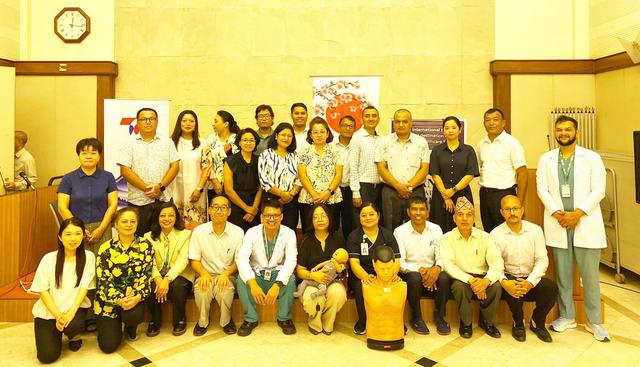



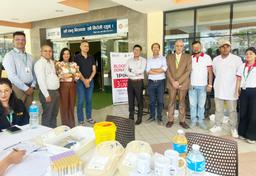



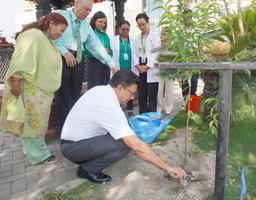


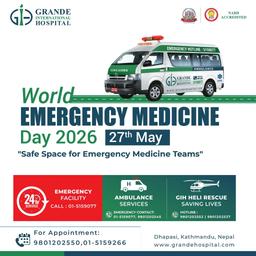





Best Monitoring System
Our hospital is equipped with the Best Monitoring System, ensuring real-time, accurate tracking of patient health for superior care and safety.

Best Operating Room
Our hospital features the Best Operating Room, equipped with advanced technology and designed for precision, safety, and optimal surgical outcomes.

Best Doctors
Our hospital is proud to have the Best Doctors, combining exceptional expertise, compassion, and dedication to deliver outstanding patient care and health outcomes.
Image/Video Gallery
Image Gallery
Explore Image Gallery